 Loading... Please wait...

Recent Posts
GHOST INC BLOG
Glock Cleaning and Storage Guide: Protecting Your Firearm Between Uses
Posted by on
Proper cleaning and storage are important parts of responsible Glock ownership. Regular care helps you monitor your firearm's condition, address environmental exposure, and follow the manufacturer's maintenance recommendations.
Whether your Glock is used frequently at the range or stored for longer periods, understanding general maintenance principles can help you protect the firearm and recognize when professional attention may be needed.
Why Regular Glock Cleaning Matters
Residue, dirt, and environmental contaminants can accumulate during use. Moisture and unsuitable storage conditions can also contribute to corrosion or deterioration of certain components.
Following the manufacturer's cleaning and lubrication instructions helps you maintain the firearm according to its design and service requirements. The appropriate procedure may vary by model, so consult the owner's manual rather than relying on generalized instructions alone.
Regular care also provides an opportunity to notice visible damage or unusual changes that may require professional evaluation.
Follow the Manufacturer's Cleaning Instructions
Before cleaning or inspecting your firearm, follow the safety instructions in the owner's manual and verify that the pistol is unloaded. Keep ammunition away from the cleaning area and follow all applicable safety precautions.
Use cleaning products and lubricants that are appropriate for your firearm. Follow the manufacturer's guidance on cleaning, lubrication, and the areas that require attention.
Avoid unapproved chemicals or methods that could damage the firearm's materials or finish. If you're uncertain about the correct procedure, consult the owner's manual or a qualified professional.
Protecting Your Glock From Moisture and Corrosion
Moisture can contribute to corrosion on metal components. Rain, perspiration, humidity, and other environmental conditions can make appropriate care particularly important.
Follow the manufacturer's recommendations for inspecting and caring for your firearm after environmental exposure. Use appropriate storage conditions to help reduce moisture-related problems.
If you discover significant corrosion, suspected damage, or deterioration affecting a critical component, have the firearm evaluated before use. Cleaning alone should not be assumed to restore a damaged part to a safe condition.
How to Store a Glock Properly
Choose a secure storage location that helps protect the firearm from environmental damage and unauthorized access. Follow applicable laws and manufacturer recommendations for safe storage.
- Use secure storage appropriate for your household and local requirements.
- Protect the firearm from excessive moisture and humidity.
- Follow the manufacturer's storage and maintenance recommendations.
- Keep the firearm inaccessible to unauthorized users.
- Store ammunition securely and in accordance with applicable safety guidance.
Storage requirements can vary depending on the environment and how long the firearm will remain unused. Consult the manufacturer's guidance for recommendations specific to your model.
When to Inspect or Replace Glock Parts
Cleaning provides an opportunity to notice visible damage or unusual changes, but it does not replace a professional inspection when one is needed.
Follow the manufacturer's maintenance schedule and pay attention to cracks, deformation, significant corrosion, or unexpected changes in operation. Replacement intervals vary by component, model, and usage, so avoid assuming one schedule applies to every part.
If the firearm malfunctions or appears damaged, stop using it and seek qualified professional evaluation. Don't assume that replacing a single component will resolve the issue without a proper diagnosis.
Choosing Compatible Glock Replacement Parts
When a component needs replacement, confirm your exact model and generation before shopping. Review the product manufacturer's specifications and verify that the replacement is intended for your firearm.
Not all Glock components are interchangeable across models and generations. Similar appearance is not proof of compatibility, and an unsuitable part may affect proper operation.
If compatibility or installation requirements are unclear, consult the component manufacturer or a qualified gunsmith before proceeding.
Why Maintenance Records Can Be Helpful
Keeping a basic maintenance record can help you track cleaning, inspections, and component replacements over time. This is particularly useful for firearms that see frequent use or have a documented service schedule.
Record relevant maintenance dates and professional evaluations, and follow the manufacturer's guidance for any component-specific service requirements. Your records should supplement, not replace, official maintenance recommendations.
Keep Your Glock Properly Maintained
Consistent maintenance, appropriate storage, and attention to changes in condition are important parts of responsible firearm ownership. Follow official instructions, verify replacement-part compatibility, and seek professional assistance when something doesn't appear right.

Glock Sights Guide: Understanding Different Aftermarket Sight Options
Sights are an important part of a pistol's aiming system, and Glock owners can find aftermarket options with different designs, materials, and visibility features. Understanding these differences can help you compare products and identify the compatibility information that matters before making a purchase. This guide covers common sight categories, what to consider when comparing them, and [...]
How to Identify Your Glock Model and Generation Before Buying Parts
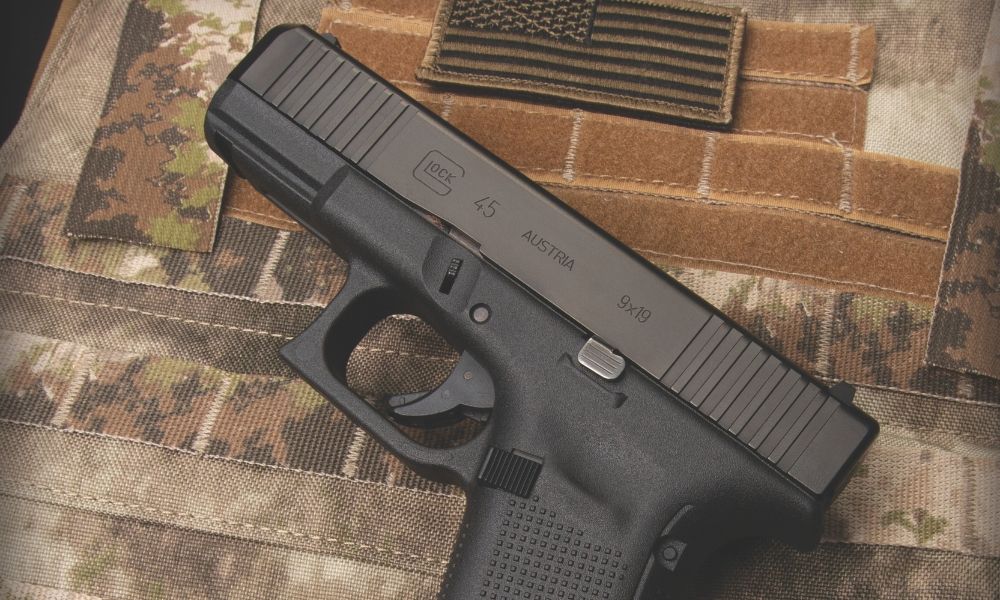
Identifying your Glock model and generation is an important first step before ordering replacement components or aftermarket accessories. Even when two pistols look similar, differences in design and specifications can affect whether a particular part is compatible. This guide explains how to verify your firearm's identity, what details to check before ordering, and how to avoid [...]

Glock Maintenance Guide: How to Recognize Worn Parts and When to Replace Them
Routine maintenance is an important part of responsible Glock ownership. Over time, regular use, environmental exposure, and normal wear can affect firearm components. Knowing what to look for can help you identify potential issues, keep your firearm in good condition, and determine when a part needs professional attention. Whether you own a Glock for recreational shooting, [...]
Glock Trigger Connector Guide: What’s the Difference Between 3.5 lb, 4.5 lb, and 5.0 lb Connectors?
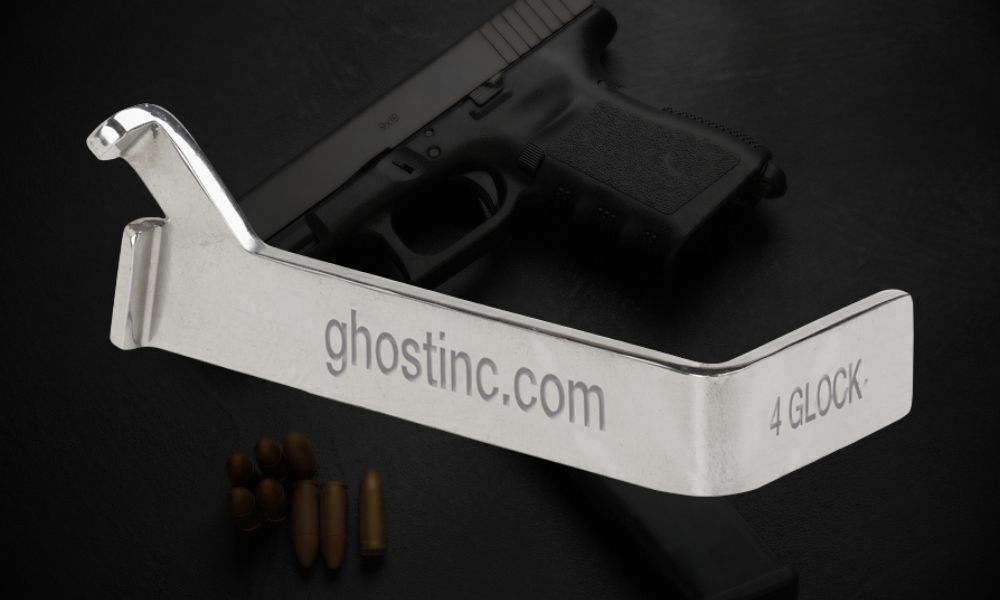
If you're researching Glock trigger upgrades, you've probably come across connectors advertised as 3.5 lb, 4.5 lb, or 5.0 lb. But what do these numbers actually mean, and how do you know which Glock trigger connector is right for your needs? Understanding the differences can help you make a more informed decision when shopping for aftermarket [...]
Quality Glock Trigger Upgrade Kits for Competition Shooting
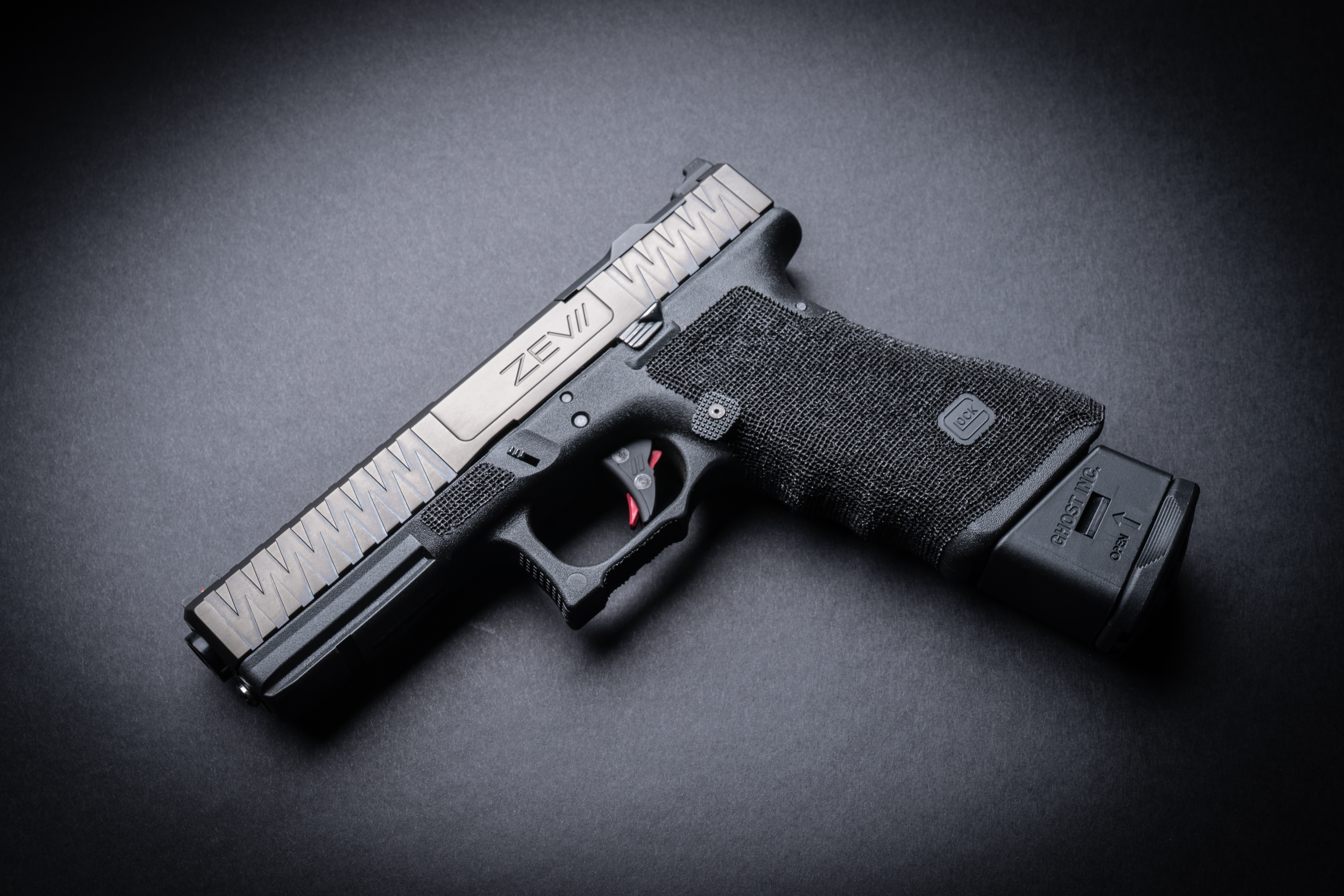
When you're shooting competition with a Glock, having a trigger that feels consistent from shot to shot can make a big difference on the range. A quality aftermarket trigger kit can change the feel of the trigger pull, reset, and overall operation of your pistol while giving competitive shooters more options for tuning their setup. Ghost [...]
Best Extended Magazine Baseplates for Glock Pistols
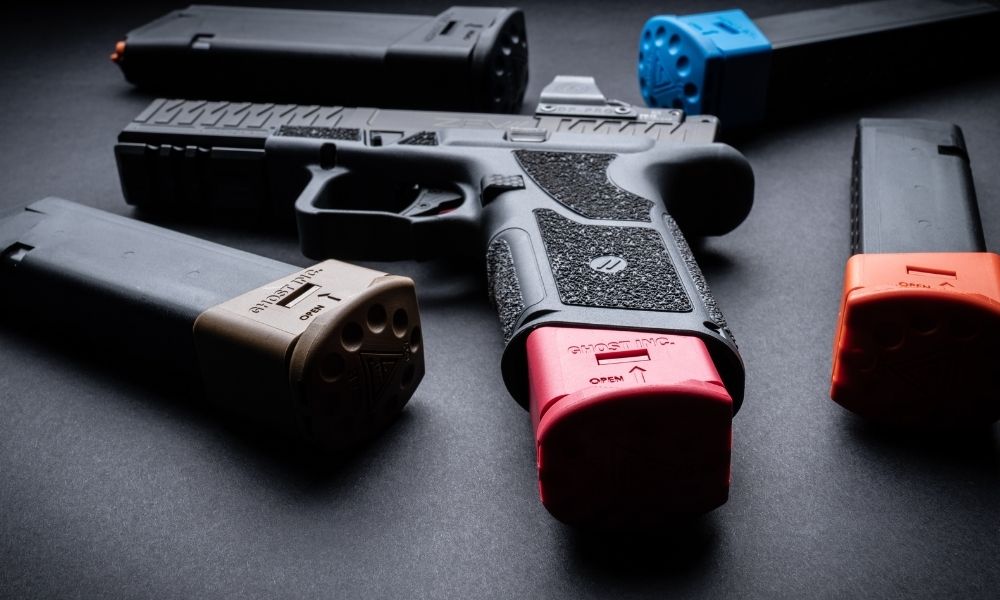
If you're looking for a simple way to upgrade your Glock magazines, an extended magazine baseplate can be a worthwhile addition. Extended baseplates can make magazines easier to handle, provide a more substantial surface for magazine changes, and, depending on the model, increase magazine capacity. Ghost Inc.'s MOAB® (Mother Of All Baseplates) lineup gives Glock owners [...]
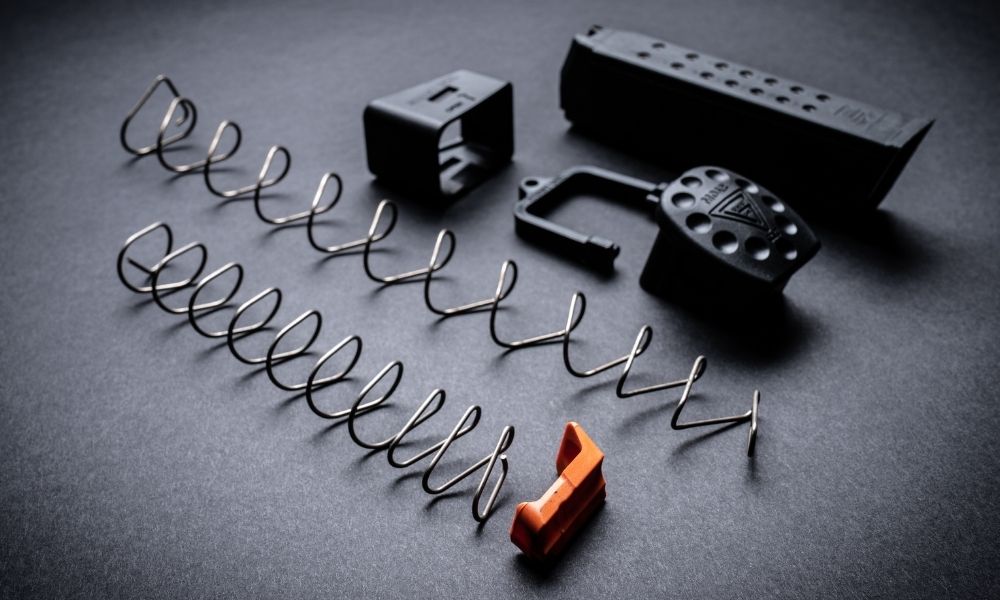
Best Quality Glock OEM and Aftermarket Parts
Glock pistols are known for their reliability, but that doesn't mean you're limited to the factory configuration. Whether you're replacing a worn component, maintaining your pistol, or looking for an aftermarket upgrade, choosing quality Glock-compatible parts is important. Ghost Inc. offers a wide selection of Glock parts designed for shooters who want to replace or upgrade [...]
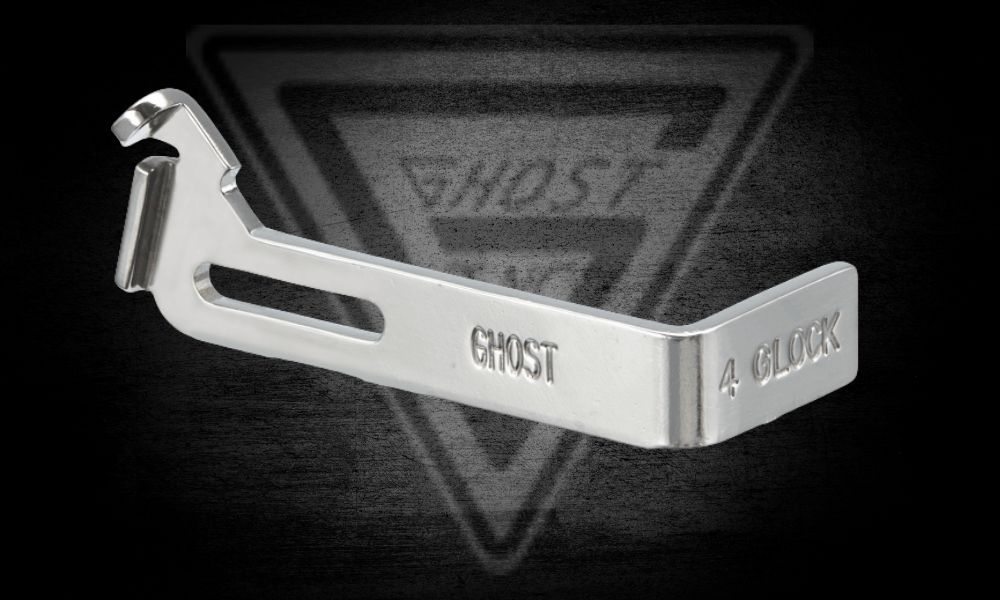
Best Aftermarket Glock Trigger Connectors for a Lighter Pull
If you own a Glock and want to improve the feel of the trigger, an aftermarket connector can be one option to consider. The connector is a small component within the trigger mechanism that can influence trigger pull weight, smoothness, and reset. Ghost Inc. offers several aftermarket connectors designed for Glock pistols, with options ranging from [...]

Quality Glock Upgrades for Competition Shooters
When it comes to action shooting sports like USPSA, IDPA, and Steel Challenge, performance is measured in fractions of a second. Glock pistols are legendary for their out-of-the-box reliability, but their standard factory configuration is tuned for duty and concealed carry, not match-winning speed and precision. To gain a competitive edge, serious shooters turn to [...]