 Loading... Please wait...

Recent Posts
GHOST INC BLOG
Best Extended Magazine Baseplates for Glock Pistols
Posted by on
If you're looking for a simple way to upgrade your Glock magazines, an extended magazine baseplate can be a worthwhile addition. Extended baseplates can make magazines easier to handle, provide a more substantial surface for magazine changes, and, depending on the model, increase magazine capacity.
Ghost Inc.'s MOAB® (Mother Of All Baseplates) lineup gives Glock owners several options based on their pistol and magazine configuration. With choices for popular Glock models and different capacity increases, MOAB baseplates are designed to give your magazines a more functional and upgraded feel.
What Is an Extended Magazine Baseplate?
An extended magazine baseplate replaces the standard baseplate on a compatible magazine. Unlike a simple replacement floor plate, an extended baseplate can provide additional room at the bottom of the magazine and may be designed to accommodate additional rounds.
Extended baseplates can also provide a larger surface for gripping and manipulating a magazine. This can be especially useful for competition, range use, or anyone who wants a more substantial magazine base.
Ghost MOAB Baseplates for Glock Pistols
The Ghost MOAB lineup includes several baseplates designed specifically around different Glock magazines. Ghost offers configurations for popular double-stack Glock models, including the Glock 17, 19, 19X, 34, 45, and 47, among others.
The lineup also includes different capacity options, allowing Glock owners to choose the configuration that best matches their particular magazine and intended use.
MOAB +4 Baseplates for Glock Magazines
For shooters who want additional magazine capacity without moving to the largest available extension, the MOAB +4 is an option worth considering. Ghost offers a +4 MOAB configuration for Glock 17-size magazines that fits a range of Glock models, including the 17, 19X, 17L, 22, 24, 31, 34, 35, 37, 45, and 47.
Ghost also offers a dedicated MOAB +4 configuration for Glock 19-size magazines, including the Glock 19, 23, 32, and 33.
These model-specific options make it important to match the baseplate to the magazine you're using rather than simply choosing an extension based on pistol model alone.
MOAB +6 Baseplates for Glock Magazines
If maximum magazine capacity is the priority, Ghost offers MOAB +6 options for compatible Glock magazines. The Gen2 +6 MOAB for 17-round magazines is listed for Glock models including the 17, 19X, 17L, 22, 24, 31, 34, 35, 37, 45, and 47.
Ghost also offers a Gen2 +6 MOAB designed for 15-round Glock magazines, including magazines used with the Glock 19, 23, and 32.
A higher-capacity extension can be useful for competition and range applications, but magazine compatibility and reliable operation should always be verified before relying on an aftermarket magazine configuration.
MOAB Options for Glock 43X and 48
Glock 43X and 48 owners have a dedicated option in the MOAB lineup. Ghost currently lists the LoViz PLUS 2 MOAB for Glock 43X and 48 magazines. The product is specifically identified as not being intended for metal magazines.
This gives owners of these slimmer Glock models an option specifically designed around their magazine format rather than trying to adapt a baseplate intended for a double-stack Glock magazine.
MOAB Baseplates for Glock Double-Stack Magazines
For Glock owners who aren't looking for additional capacity, Ghost also offers LoViz GM MOAB baseplates in three-packs for a wide range of Glock double-stack magazines in 9mm, .40, and .357. The listed compatibility includes models such as the Glock 17, 19, 22, 23, 26, 34, 35, 44, 45, and 47.
A replacement MOAB baseplate can be a useful choice when the goal is to change the shape or handling characteristics of the magazine without selecting a higher-capacity extension.
Why Choose an Extended Glock Magazine Baseplate?
One of the biggest advantages of an extended baseplate is the additional surface area at the bottom of the magazine. A larger, more rounded base can make the magazine easier to manipulate and gives the shooter more area to grab during a magazine change.
For competition shooters, an extended baseplate can also make magazines easier to identify and handle during fast-paced stages. For range use, the additional capacity offered by certain MOAB models can mean fewer magazine changes during a shooting session.
Choosing the Right MOAB Baseplate
The best MOAB baseplate depends on your Glock model and the magazine you're using. Start by identifying the magazine's factory capacity and size, then select the corresponding Ghost MOAB configuration.
- Looking for additional capacity? Consider a compatible MOAB +4 or +6 configuration.
- Using a Glock 19-size magazine? Ghost offers dedicated MOAB options for compatible 15-round magazines.
- Using a Glock 17-size magazine? Look at the MOAB options designed around 17-round magazines.
- Using a Glock 43X or 48? Choose a model-specific MOAB designed for those magazines.
- Want a replacement baseplate without a capacity increase? Consider the LoViz GM MOAB options.
Check Magazine Compatibility Before Ordering
Magazine baseplates are not universally interchangeable. Glock model, magazine capacity, magazine generation, and magazine construction can all affect compatibility.
Ghost offers numerous MOAB configurations, so check the product specifications carefully before ordering. In particular, the Glock 43X and 48 MOAB option has specific magazine restrictions, while the double-stack options cover different magazine sizes and Glock models.
Quality Matters for Magazine Components
Your magazine is an important part of your pistol's operation, so aftermarket components should be selected carefully. A baseplate should fit the intended magazine properly and maintain secure retention of the magazine's internal components.
After installing an aftermarket baseplate, verify that the magazine functions correctly with your specific pistol and ammunition before relying on it for defensive or competition use.
Best Quality Glock OEM and Aftermarket Parts
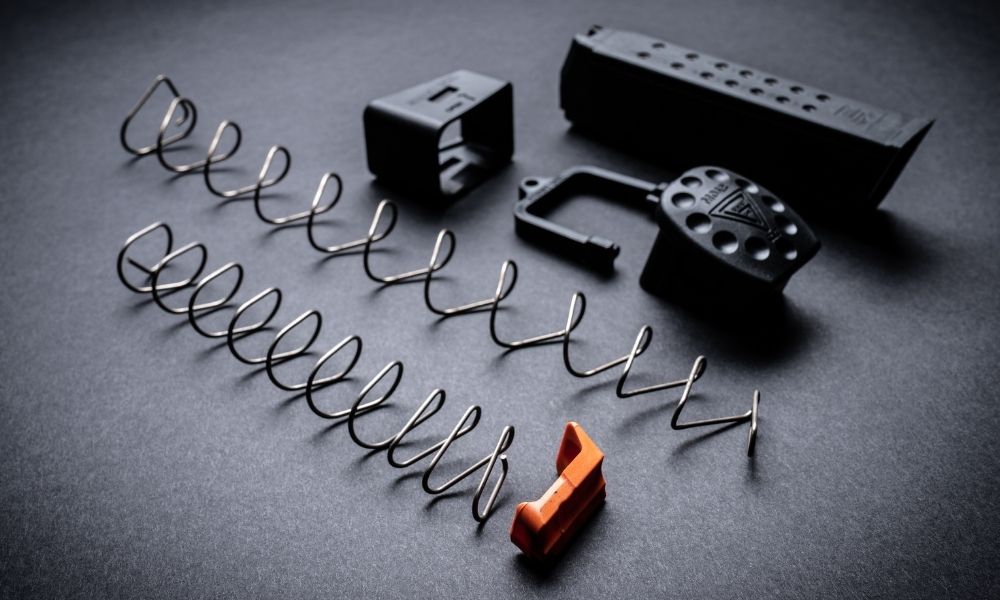
Glock pistols are known for their reliability, but that doesn't mean you're limited to the factory configuration. Whether you're replacing a worn component, maintaining your pistol, or looking for an aftermarket upgrade, choosing quality Glock-compatible parts is important. Ghost Inc. offers a wide selection of Glock parts designed for shooters who want to replace or upgrade [...]
Best Aftermarket Glock Trigger Connectors for a Lighter Pull
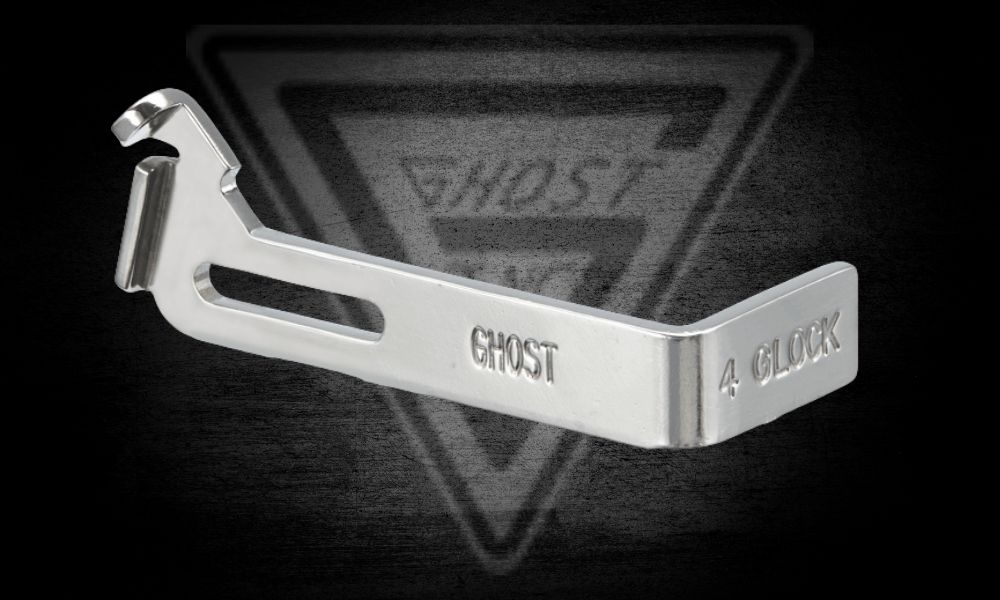
If you own a Glock and want to improve the feel of the trigger, an aftermarket connector can be one option to consider. The connector is a small component within the trigger mechanism that can influence trigger pull weight, smoothness, and reset. Ghost Inc. offers several aftermarket connectors designed for Glock pistols, with options ranging from [...]

Quality Glock Upgrades for Competition Shooters
When it comes to action shooting sports like USPSA, IDPA, and Steel Challenge, performance is measured in fractions of a second. Glock pistols are legendary for their out-of-the-box reliability, but their standard factory configuration is tuned for duty and concealed carry, not match-winning speed and precision. To gain a competitive edge, serious shooters turn to [...]
Understanding the Glock 19: A Compact Handgun Overview
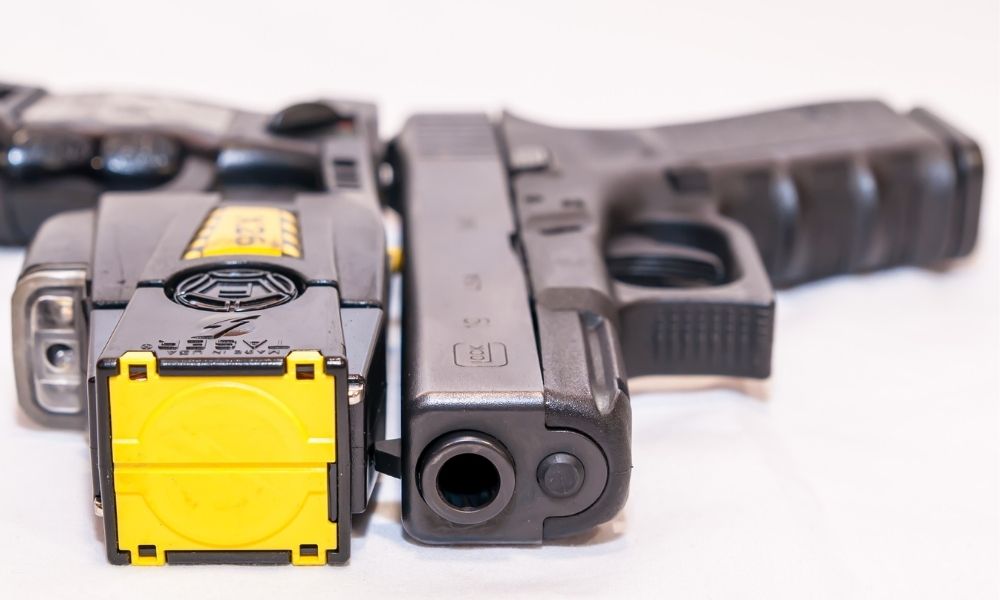
Glock 19 has become one of the most recognizable compact handguns on the market. Its combination of manageable size, 9mm chambering, reliability, and straightforward design has made it popular with a wide range of shooters. Part of the Glock 19's appeal is its versatility. Its compact dimensions make it easier to handle and carry than a [...]

Enhance Your Pistol Sights with Night Sights and Red Dots
Upgrading the sights on a compatible pistol can change the way you approach target acquisition and low-light shooting. Ghost Inc. offers a selection of night sights, optic-compatible sight sets, red dot optics, and mounting accessories designed for a variety of Glock and other handgun platforms. Whether you're looking for traditional tritium night sights or an optic-ready [...]
Pistol Holster Options for Different Carry Setups
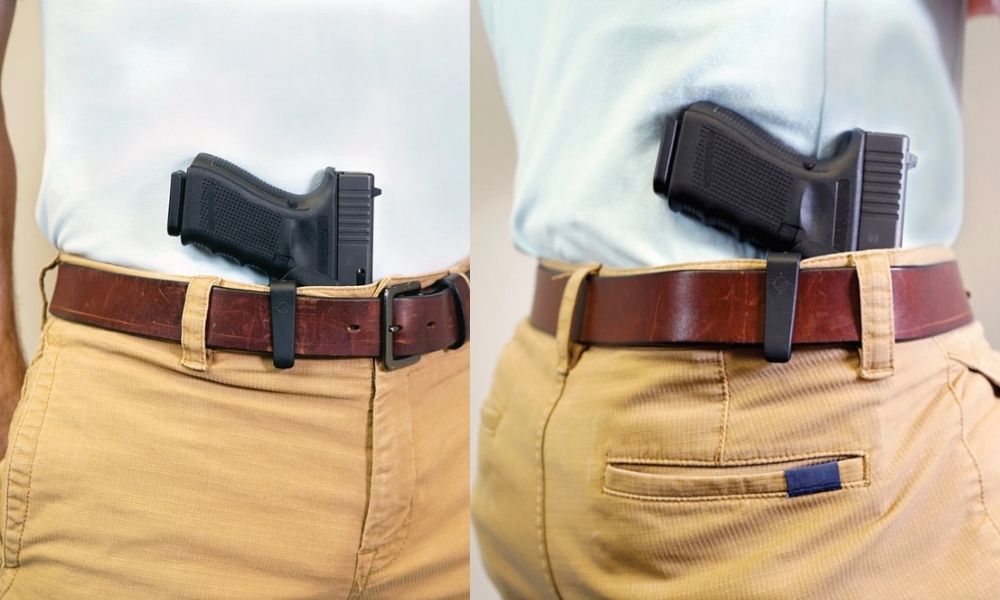
A quality holster is an important part of any handgun setup, providing a secure way to carry and protect the firearm when it is not in use. Different carry positions, firearm models, and accessories can call for different holster designs. The holster collection at Ghost Inc. includes options for Glock, SIG SAUER, and other popular [...]
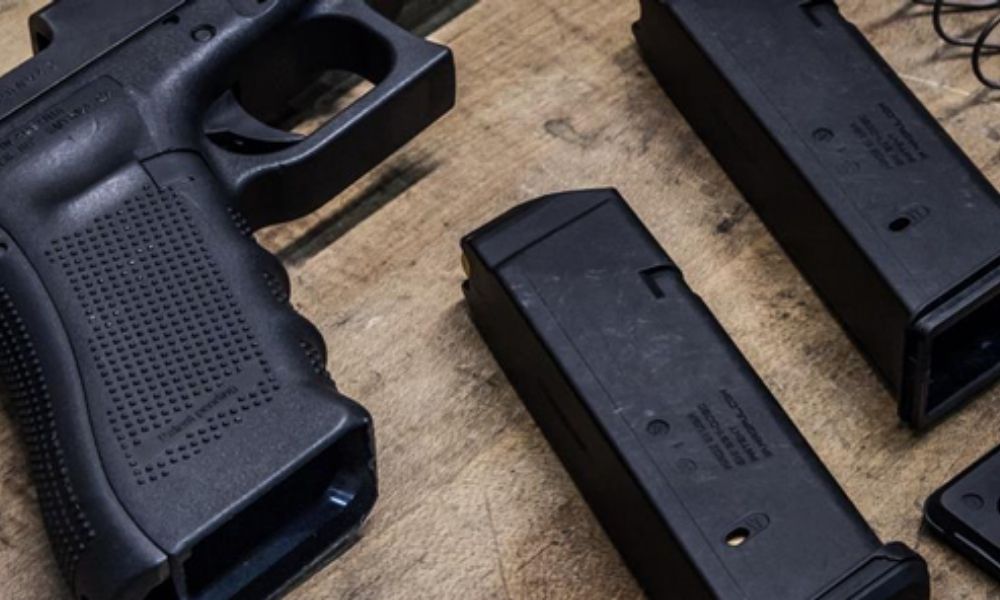
Magpul Accessories for Glock, SIG SAUER, and AR Platforms
Magpul is known for producing firearm accessories designed around practical functionality and compatibility with popular platforms. The Magpul collection available through Ghost Inc. includes magazines and accessories for Glock, SIG SAUER, and AR-15 platforms, giving firearm owners several options for upgrading or expanding their setups. From pistol magazines to magazine wells and rifle magazines, the collection [...]
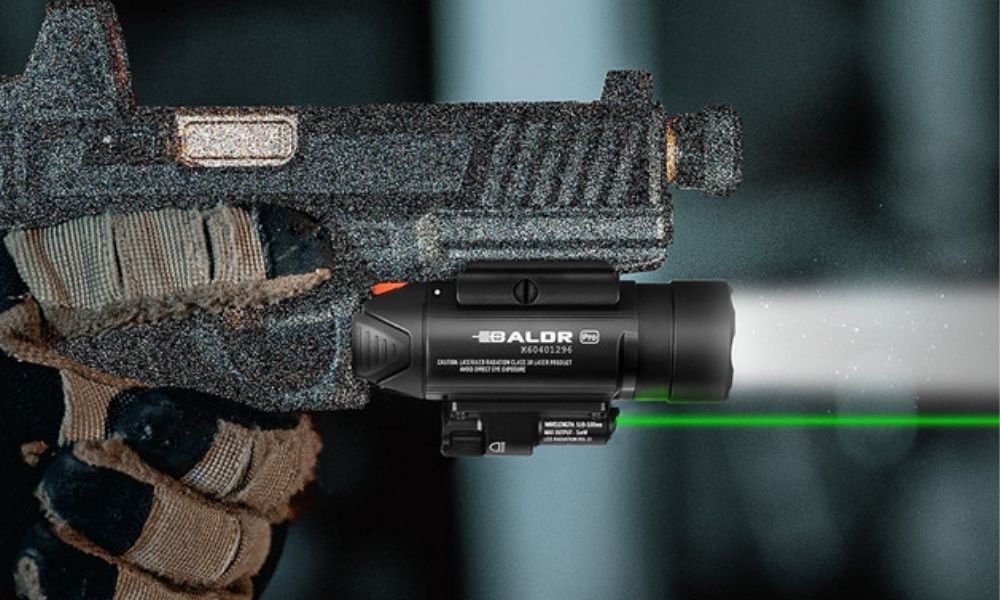
Weapon Lights to Upgrade Your Pistol Setup
Adding the right light or laser to a compatible handgun can provide useful illumination and aiming options for shooters who train or operate in lower-light environments. Ghost Inc. carries a selection of weapon lights, laser/light combinations, and other pistol accessories from brands including Olight and Crimson Trace. With several configurations available, choosing the right option comes [...]
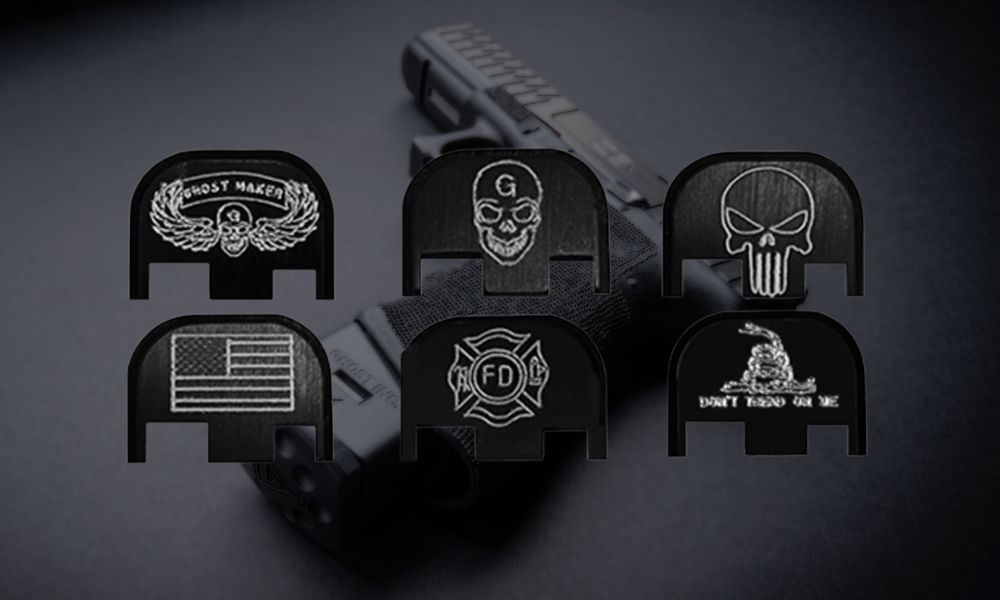
Personalized Glock Upgrades: Engraved Slide Cover Plates
A Glock is known for its reliability and straightforward design, but that doesn't mean it has to look like every other pistol. One of the easiest ways to add a personalized touch is by upgrading the slide cover plate. Ghost Inc. offers a selection of engraved Glock slide plates featuring distinctive designs that can give [...]