 Loading... Please wait...

Recent Posts
- Home
- GHOST INC BLOG
- Glock trigger upgrade
GHOST INC BLOG
Glock Maintenance Guide: How to Recognize Worn Parts and When to Replace Them
Posted by on
Routine maintenance is an important part of responsible Glock ownership. Over time, regular use, environmental exposure, and normal wear can affect firearm components. Knowing what to look for can help you identify potential issues, keep your firearm in good condition, and determine when a part needs professional attention.
Whether you own a Glock for recreational shooting, competition, or personal protection, understanding basic Glock maintenance can help you make informed decisions about inspections and replacement parts. In this guide, we'll cover common signs of component wear, what to check during routine maintenance, and when to consult a qualified gunsmith.
Why Regular Glock Maintenance Matters
Like any mechanical device, a Glock pistol requires appropriate care to remain in good condition. Dirt, debris, corrosion, inadequate lubrication, and normal component wear can affect reliability and function.
Regular inspection helps you identify visible damage and unusual changes before they become bigger concerns. Following the manufacturer's maintenance recommendations also helps ensure that cleaning, lubrication, and inspections are performed appropriately for your particular model.
Maintenance is especially important for firearms that see frequent range use, are exposed to moisture or harsh environments, or are stored for extended periods.
Common Signs of Worn Glock Parts
Not every cosmetic mark indicates a problem, and some components may show normal wear through regular use. However, certain changes deserve closer attention. If you notice damage, unusual movement, corrosion, or changes in how your firearm operates, stop using it until the issue has been evaluated.
1. Visible Damage or Unusual Wear
Inspect accessible components for obvious cracks, deformation, deep gouges, or other damage. Pay attention to changes that appear different from the normal wear documented by the manufacturer.
Cosmetic wear alone doesn't necessarily mean a part needs replacement. If you're unsure whether a mark is normal, have the firearm inspected by a qualified gunsmith.
2. Changes in Trigger Feel
A noticeable change in trigger feel can be a reason to have your Glock inspected. An unusual trigger movement, inconsistent behavior, or a trigger that doesn't operate as expected may indicate a problem with one or more components.
Because the trigger mechanism is critical to safe firearm operation, don't attempt to compensate for an unexpected change by modifying additional parts. Stop using the firearm and seek professional evaluation.
3. Signs of Spring Wear
Springs are mechanical components that can experience fatigue over time. Their service life can vary depending on the specific part, usage, and operating conditions.
Don't rely on appearance alone to determine whether a spring is serviceable. Follow Glock's applicable maintenance guidance and the replacement recommendations provided by the component manufacturer.
If you suspect a spring-related issue or notice a change in firearm operation, consult a qualified gunsmith rather than guessing at the cause.
4. Corrosion or Rust
Moisture and improper storage can contribute to corrosion on firearm components. Check for visible rust or other signs of deterioration during routine care, particularly after exposure to rain, perspiration, or humid conditions.
Follow the manufacturer's cleaning and lubrication instructions. If corrosion is significant, affects a critical component, or leaves you uncertain about the firearm's condition, have it professionally inspected before use.
5. Unusual Operation or Reliability Problems
Changes in normal operation can have several possible causes, including contamination, damaged components, ammunition-related issues, or problems with magazines.
Repeated malfunctions, unexpected behavior, or any condition that differs from the manufacturer's operating guidance should not be ignored. Stop using the firearm until the cause has been identified and addressed by a qualified professional.
Which Glock Components May Need Inspection?
Different components experience different types of wear. The appropriate inspection and replacement schedule depends on the firearm model, usage, and manufacturer recommendations.
Recoil spring assembly: Follow the applicable manufacturer guidance for inspection and service life.
Trigger components: Have unusual trigger behavior or visible damage evaluated before further use.
Magazine components: Inspect for visible damage, corrosion, and signs that the magazine may not be functioning correctly.
Barrel: Have suspected damage, significant corrosion, or other concerns evaluated by a qualified professional.
Slide and frame: Look for obvious cracks, deformation, or other changes that could affect safe operation.
Small springs and internal components: Follow model-specific maintenance guidance and avoid replacing parts based solely on guesswork.
This list is intended as a general overview, not a substitute for the official maintenance instructions for your firearm.
When Should You Replace Glock Parts?
There isn't one universal replacement interval that applies to every Glock component and every owner. Service life can depend on the specific part, firearm model, amount of use, operating conditions, and manufacturer recommendations.
Consider replacement or professional evaluation when:
- The manufacturer recommends replacement at a specified service interval.
- A component is visibly damaged or excessively worn.
- The firearm develops an unexpected change in operation.
- A qualified gunsmith determines that a component is no longer serviceable.
- A replacement is required to address a documented compatibility or maintenance concern.
When purchasing replacement parts, verify the exact model and generation compatibility. Don't assume that a part designed for one Glock variant will fit or function correctly in another.
How to Maintain Your Glock Between Range Sessions
A consistent maintenance routine can help you keep track of your firearm's condition. Always begin by following the firearm manufacturer's safety instructions and ensuring the pistol is unloaded before performing any inspection or maintenance.
- Follow the owner's manual: Use the cleaning, lubrication, and inspection procedures specified for your model.
- Keep records: Document maintenance, professional inspections, and component replacements.
- Store it appropriately: Use a secure storage location that helps protect the firearm from moisture and unauthorized access.
- Address concerns promptly: Don't continue using a firearm that shows signs of damage or unusual operation.
- Use compatible parts: Check the manufacturer's specifications before purchasing replacement components.
A maintenance record can be particularly useful for firearms that see frequent use because it helps you track service history instead of relying on memory alone.
Why Replacement Part Compatibility Matters
Aftermarket Glock parts are available for a wide range of applications, but compatibility is an important consideration when choosing replacement components.
Glock models and generations can differ in their specifications and component requirements. Before placing an order, check the product description and verify that the part is listed for your exact firearm.
Also consider whether the replacement is intended to maintain the original configuration or change the firearm's characteristics. Modifications to critical operating components should be approached carefully and evaluated by a qualified gunsmith when appropriate.
Shop Glock Replacement Parts at Ghost Inc.
When a component needs replacement, finding the correct part is an important step. Ghost Inc. offers aftermarket firearm parts and accessories for customers researching options for compatible Glock platforms.
Before purchasing, review each product's specifications, supported models, and installation guidance. If you're unsure which component you need, consult a qualified gunsmith to help identify the issue and determine the appropriate solution.
Explore the available products at Ghost Inc. to find parts suited to your specific firearm.
Keep Your Glock in Good Condition
Recognizing signs of wear is an important part of responsible Glock ownership. Routine care, attention to unusual changes, and adherence to manufacturer maintenance recommendations can help you identify when a component needs professional attention.
When replacement parts are necessary, verify compatibility and choose components designed for your specific firearm. Visit Ghost Inc. to explore available aftermarket parts and learn more about options for your Glock.
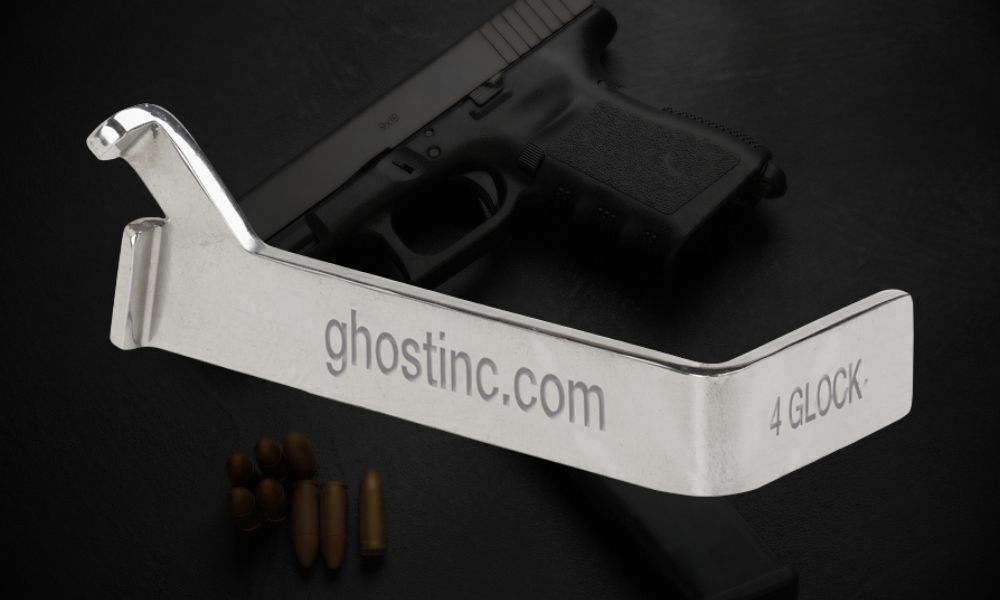
Glock Trigger Connector Guide: What’s the Difference Between 3.5 lb, 4.5 lb, and 5.0 lb Connectors?
If you're researching Glock trigger upgrades, you've probably come across connectors advertised as 3.5 lb, 4.5 lb, or 5.0 lb. But what do these numbers actually mean, and how do you know which Glock trigger connector is right for your needs? Understanding the differences can help you make a more informed decision when shopping for aftermarket [...]
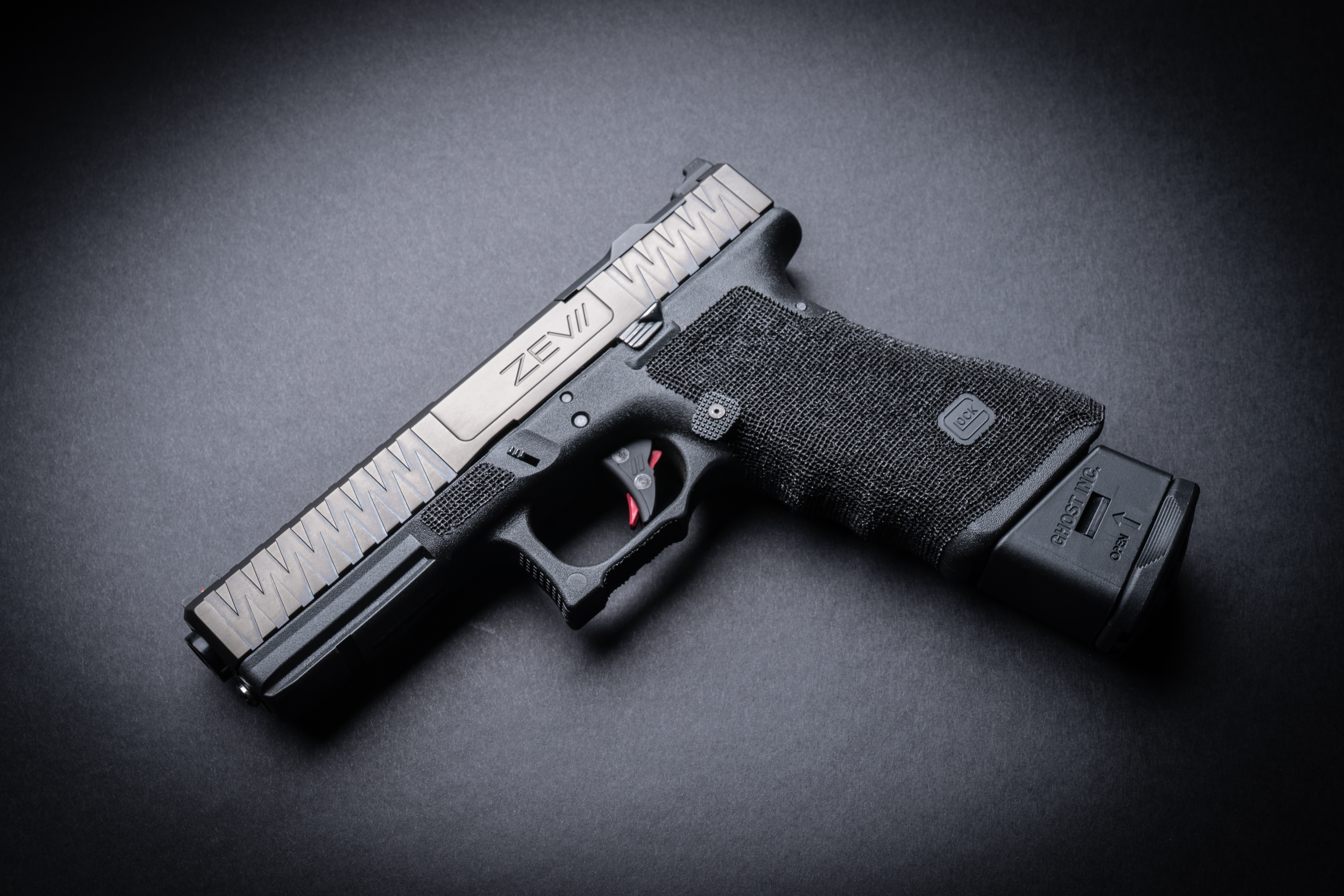
Quality Glock Trigger Upgrade Kits for Competition Shooting
When you're shooting competition with a Glock, having a trigger that feels consistent from shot to shot can make a big difference on the range. A quality aftermarket trigger kit can change the feel of the trigger pull, reset, and overall operation of your pistol while giving competitive shooters more options for tuning their setup. Ghost [...]
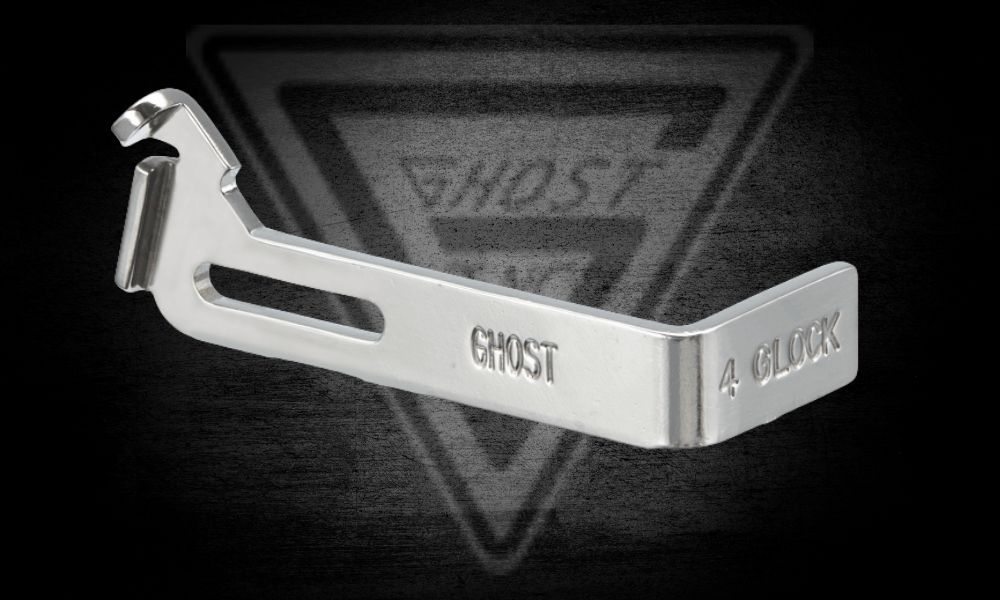
Best Aftermarket Glock Trigger Connectors for a Lighter Pull
If you own a Glock and want to improve the feel of the trigger, an aftermarket connector can be one option to consider. The connector is a small component within the trigger mechanism that can influence trigger pull weight, smoothness, and reset. Ghost Inc. offers several aftermarket connectors designed for Glock pistols, with options ranging from [...]

Choosing the Right Glock Upgrades for Your Shooting Style
Glock pistols have earned a reputation for reliability, durability, and simplicity. One of their biggest advantages is how easy they are to customize. Whether you're competing on the range, carrying every day, or building a dependable home defense setup, the right upgrades can improve comfort, handling, and overall performance. Ghost Inc. offers a wide range of [...]
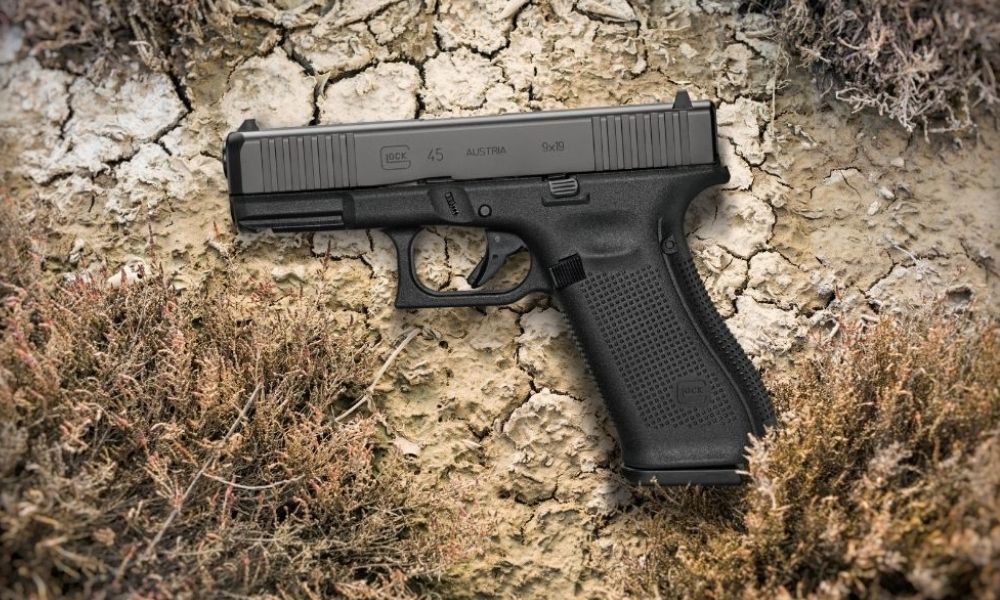
Upgrade Your Glock Performance with Ghost Connectors
When Glock owners want a smoother trigger pull, faster reset, and improved shooting consistency, one of the first upgrades they turn to is a Ghost Connector. Ghost Inc. has built a strong reputation among competitive shooters, concealed carriers, law enforcement professionals, and firearm enthusiasts for producing high-quality Glock trigger connectors that improve overall performance without [...]

Angel 3.0 Trigger Kits: Taking Glock Performance to the Next Level
When it comes to upgrading your Glock, few changes make as immediate of an impact as improving the trigger. A smoother pull, cleaner break, and more consistent reset can dramatically change how a pistol feels and performs. That’s exactly where the Angel 3.0 Trigger Kits come into play. Designed for Glock Gen 1–5 platforms, the Angel [...]

Why Glock Leads the Industry (and How to Upgrade Yours)
The Glock pistol stands as one of the most recognizable and trusted firearms in the world. From duty holsters worn by law enforcement and military units to range bags carried by everyday shooters, Glock has earned a reputation for performance and dependability. But what makes it so dominant in the firearms market? And how can [...]

Essential Glock Accessories for Home Defense
A Glock is a trusted choice for home defense thanks to its reliability, simplicity, and ease of use. While the pistol itself is highly capable out of the box, the right accessories can significantly improve control, accuracy, and readiness in a defensive situation. Choosing practical upgrades—rather than unnecessary add-ons—helps ensure your Glock performs when it [...]

Glock Connector Guide: How to Choose the Right One
The connector is one of the most important—and often overlooked—components in a Glock’s trigger system. While small in size, it has a major impact on trigger pull weight, smoothness, and reset. Choosing the right connector can dramatically improve how your Glock feels and performs, whether it’s used for concealed carry, home defense, duty use, or [...]