 Loading... Please wait...

Recent Posts
- Home
- GHOST INC BLOG
- Concealed Carry Safety
GHOST INC BLOG
The Four Essential Rules of Firearm Safety Every Shooter Should Know
Posted by on
Safe firearm handling is one of the most important responsibilities that comes with gun ownership. Whether someone is brand new to firearms or has years of shooting experience, following proven safety principles is critical every time a firearm is handled.
The four core rules of firearm safety are widely taught throughout the shooting community because they provide a reliable foundation for responsible gun handling. These principles are simple to remember, but their importance cannot be overstated. Consistently applying these rules can help prevent accidents and create safer environments at the range, in the field, and at home.
Understanding these safety habits is not just about protecting yourself — it is also about protecting everyone around you.
Rule One: Always Treat Every Firearm as Loaded
The first rule of firearm safety is to treat every gun as though it is loaded at all times. Even if you personally unloaded the firearm moments earlier, maintaining this mindset encourages careful and consistent handling habits.
Many firearm accidents occur because someone incorrectly assumed a firearm was unloaded. By approaching every firearm with caution, shooters are more likely to follow safe procedures automatically.
This rule includes several important habits:
- Visually inspecting the chamber
- Physically checking the firearm
- Maintaining safe muzzle direction
- Handling firearms carefully at all times
Developing these habits early helps build long-term firearm safety awareness. Experienced shooters continue following this rule because complacency can lead to mistakes.
Rule Two: Never Point the Muzzle at Anything You Do Not Intend to Shoot
Muzzle awareness is one of the most critical parts of firearm safety. The direction a firearm is pointed matters at all times, regardless of whether the gun is believed to be unloaded.
Keeping the muzzle pointed in a safe direction helps reduce the risk of injury or property damage if an accidental discharge occurs. This rule should apply during shooting, cleaning, transportation, storage, and administrative handling.
At a shooting range, safe muzzle direction usually means keeping the firearm pointed downrange. During cleaning or dry-fire practice at home, it means choosing a safe direction away from people or valuable property.
Good muzzle discipline requires constant awareness of your surroundings and deliberate control of the firearm.
Rule Three: Keep Your Finger Off the Trigger Until Ready to Fire
Trigger discipline is another essential firearm safety principle. Your finger should remain outside the trigger guard until you have made the conscious decision to shoot.
Many negligent discharges happen because shooters unintentionally place their finger on the trigger too early. Stress, movement, distractions, or poor habits can increase the risk of accidental trigger contact.
Instead, shooters should keep their trigger finger indexed along the frame of the firearm while drawing, moving, reloading, or assessing situations.
Strong trigger discipline should become automatic during every firearm activity, including:
- Drawing from a holster
- Reloading
- Clearing malfunctions
- Moving between shooting positions
- Handling firearms off the range
Practicing this habit regularly helps improve both safety and firearm control.
Rule Four: Know Your Target and What Is Beyond It
Responsible shooting requires more than simply aiming at a target. Shooters must also understand what surrounds the target and what lies behind it.
Bullets can travel significant distances and may penetrate barriers depending on the caliber, ammunition type, and shooting conditions. Before pressing the trigger, shooters should fully identify their target and evaluate the environment.
Important considerations include:
- What is directly behind the target
- Nearby people or structures
- Potential ricochet hazards
- Environmental conditions
This rule is especially important during outdoor shooting or hunting situations where surroundings can change quickly.
How the Four Rules Work Together
One reason these four safety rules are so effective is because they overlap with one another. If one mistake occurs, another rule may still prevent injury or damage.
For example, if someone mistakenly handles a loaded firearm, proper muzzle direction and trigger discipline can still help prevent an accident. This layered approach creates multiple levels of protection during firearm handling.
The rules are designed to work together rather than independently. Following all four consistently greatly reduces unnecessary risk.
Building Safe Firearm Habits
Safe firearm handling is built through repetition and consistency. New shooters should spend time learning these principles before focusing on advanced shooting skills or speed drills.
Professional firearms instruction can help reinforce safe handling techniques while building confidence and awareness. Even experienced shooters benefit from regular training and safety reviews.
Good firearm habits include:
- Using proper storage methods
- Regularly practicing safety procedures
- Inspecting firearms before use
- Maintaining situational awareness
- Continuing education and training
Firearm safety is not something practiced only at the range. It should remain part of every interaction with a firearm.
Teaching Safety to New Shooters
Introducing new firearm owners to proper safety habits is essential for building responsible shooting communities. Before discussing accuracy or advanced firearm manipulation, instructors should focus heavily on safe handling practices.
Consistency is important when teaching new shooters. Repeating these rules regularly helps reinforce safe habits and reduces the chances of unsafe behavior becoming routine.
Positive reinforcement, patience, and proper supervision all contribute to better firearm education experiences.
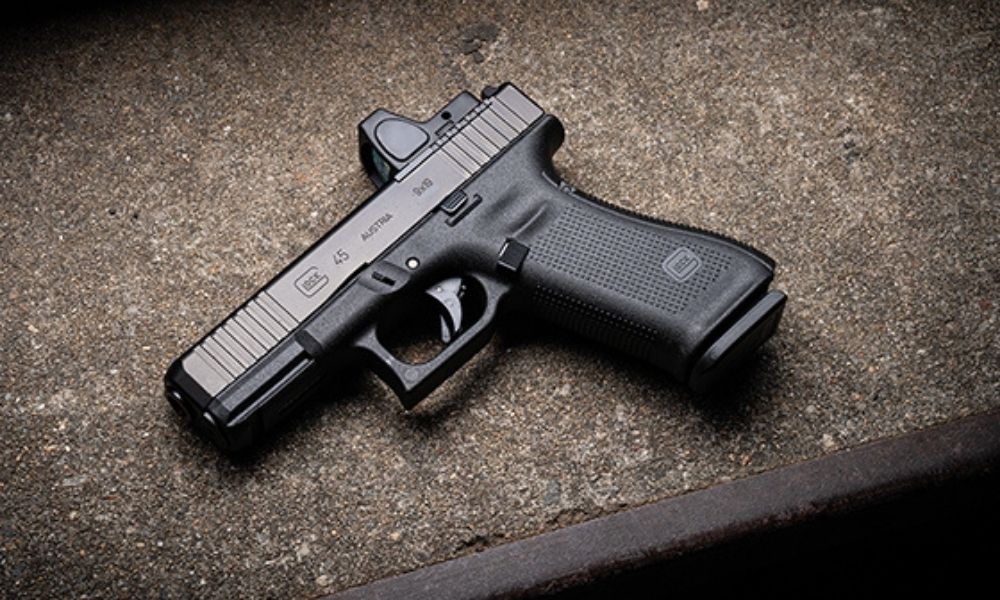
Do Glocks Have A Safety? Glock Safe Action® System — How It Works and How It Compares to Manual Safeties
What is the Safe Action® system? Glock’s Safe Action® is a passive, fully automatic three-part mechanical safety system built into the gun’s fire control—designed to provide a consistent trigger pull and to keep the pistol safe when you’re not deliberately firing. All three safeties operate independently and re-engage automatically when the trigger is released. This design [...]