 Loading... Please wait...

Recent Posts
- Home
- GHOST INC BLOG
- Glock trigger improvement
GHOST INC BLOG
Glock Connector Guide: How to Choose the Right One
Posted by on
The connector is one of the most important—and often overlooked—components in a Glock’s trigger system. While small in size, it has a major impact on trigger pull weight, smoothness, and reset. Choosing the right connector can dramatically improve how your Glock feels and performs, whether it’s used for concealed carry, home defense, duty use, or competition.
What a Glock Connector Does
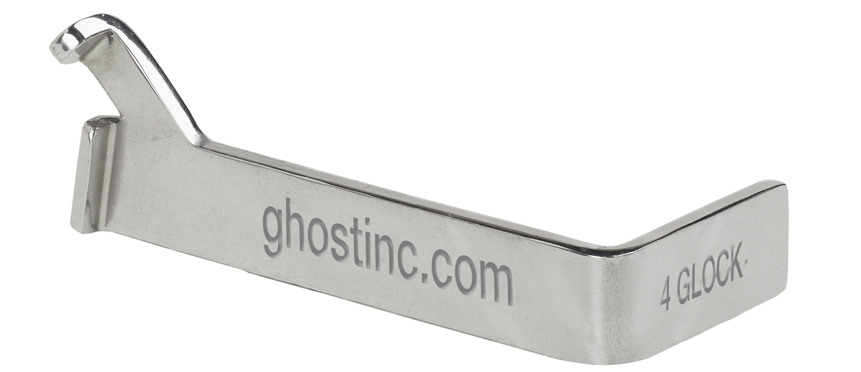
The connector works in conjunction with the trigger bar to control how much pressure is required to fire the pistol. As the trigger is pulled, the connector guides the trigger bar downward, releasing the firing pin.
Changes in connector geometry directly affect trigger pull weight and break. A properly designed connector can create a smoother, more consistent trigger without sacrificing reliability.
Understanding Trigger Pull Weights
Glock connectors are commonly available in different pull-weight ranges. Each option serves a specific purpose depending on how the firearm is used.
Standard connectors provide a factory-style pull suitable for duty or defensive use
Lighter connectors reduce pull weight and are popular for competition and range shooting
Heavier connectors increase resistance and are often chosen for added safety or agency requirements
Selecting the right pull weight is about balancing performance, control, and safety.
Matching the Connector to Your Intended Use
Your Glock’s role should guide your connector choice. A competition setup benefits from a lighter, smoother trigger, while a defensive or duty pistol may require a more deliberate pull.
For everyday carry or home defense, many shooters prefer a connector that improves smoothness without drastically lowering pull weight. Competition shooters often prioritize a lighter break and faster reset.
Material and Finish Considerations
Connector material and surface finish can influence how smoothly the trigger operates. Polished or coated connectors reduce friction between moving parts, resulting in a cleaner break and reset.
High-quality connectors are precisely manufactured to maintain consistent angles and reliable engagement over time.
Compatibility With Glock Generations
Not all connectors are universally compatible across Glock generations. Differences in trigger housings and internal geometry mean it’s important to choose a connector designed for your specific Glock model and generation.
Always verify compatibility before installation to ensure proper function and safety.
Installation and Safety Checks
Installing a connector is relatively straightforward, but proper installation is critical. After installation, thorough function testing should always be performed.
- Check trigger reset and consistent pull
- Ensure the trigger safety functions correctly
- Confirm the firing pin safety engages properly
If you are unsure about installation or testing, a qualified gunsmith can help ensure everything is set up correctly.
Balancing Performance and Reliability
The goal of upgrading a Glock connector is to enhance performance while maintaining the pistol’s legendary reliability. The best connector is one that complements your shooting style and intended use without compromising safety.
Quality components, proper installation, and regular maintenance all play a role in achieving a dependable trigger system.
Choosing the right connector for your Glock comes down to understanding how trigger pull weight, smoothness, and application work together. By selecting a connector that fits your needs—and testing it thoroughly—you can improve trigger performance while keeping your Glock safe and reliable.