 Loading... Please wait...

Recent Posts
- Home
- GHOST INC BLOG
- Glock maintenance
GHOST INC BLOG
How to Maintain Your Glock for Reliable Performance
Posted by on
Glock pistols are known around the world for their reliability, simplicity, and durability. One of the reasons shooters trust the Glock platform is its ability to perform consistently with minimal maintenance. However, even the most dependable firearm benefits from regular care. Proper cleaning, lubrication, and inspection can help maintain smooth operation, improve performance, and extend the life of your handgun.
The trigger system is one area that deserves special attention. A clean and properly maintained trigger assembly can help ensure a consistent feel while reducing the buildup of dirt, carbon, and debris that may affect performance over time. Whether you use your Glock for recreational shooting, competition, concealed carry, or personal protection, regular maintenance is an important part of responsible firearm ownership.
Why Regular Glock Maintenance Matters
Glock pistols are designed to handle demanding conditions, but exposure to dirt, moisture, dust, and repeated use can eventually impact how a firearm operates. Small amounts of debris can accumulate in important areas, including the trigger bar, connector, and internal components.
Regular maintenance helps prevent these issues before they become problems. Keeping your Glock clean allows moving parts to function as intended, helps protect against corrosion, and gives you the opportunity to identify potential wear before it affects reliability.
A properly maintained Glock is more than just a cleaner firearm. It is a firearm that you can feel confident using because you know the components are functioning correctly.
Start with Safe Cleaning Practices
Before performing any maintenance, firearm safety should always come first. Make sure your Glock is unloaded before cleaning or inspecting any components. Remove the magazine, clear the chamber, and verify that the firearm is safe to handle before beginning any maintenance procedure.
Following the manufacturer’s recommended procedures for field stripping your Glock allows access to the areas that require cleaning and inspection. Always refer to your owner’s manual for specific instructions related to your model.
Once the firearm is properly disassembled, focus on areas where residue commonly collects. The trigger system, slide components, and contact surfaces should be inspected for buildup or debris that could affect smooth operation.
Keep Trigger Components Clean
The trigger system is made up of several components that work together to provide the consistent operation Glock owners expect. Over time, carbon, dust, and other debris can accumulate around these parts and may change the feel of the trigger.
During routine cleaning, pay attention to important trigger components such as:
- Trigger bar
- Connector
- Trigger spring
- Cruciform surfaces
- Firing pin safety components
Using a quality firearm cleaning solvent and an appropriate brush can help remove buildup without damaging components. Avoid harsh chemicals or abrasive materials that may wear surfaces or damage finishes.
After cleaning, make sure all components are completely dry before applying lubrication or reassembling your firearm.
Use Proper Lubrication for Smooth Performance
When it comes to lubricating a Glock, more is not better. Glock pistols are designed to operate with a small amount of lubrication, and excessive oil can actually attract dirt and debris that may interfere with performance.
Use a quality firearm lubricant and apply it only where needed. Common lubrication points include areas where metal components make contact, such as slide rails and specific trigger-related contact surfaces.
Avoid using household oils, heavy grease, or excessive amounts of lubricant. A light application is typically all that is needed to keep components moving smoothly while reducing unnecessary buildup.
Inspect Your Glock Trigger Components Regularly
Routine inspections are one of the easiest ways to keep your Glock performing reliably. Maintenance is not just about cleaning—it is also about identifying signs of wear before they become larger concerns.
During inspection, look for:
- Unusual wear marks
- Damaged or weakened springs
- Excessive friction points
- Changes in trigger feel
- Issues with trigger reset or safety operation
If your trigger begins to feel different than usual, such as becoming rough, inconsistent, or unusually heavy, it may be time for additional inspection or professional evaluation.
How Often Should You Clean Your Glock?
The ideal maintenance schedule depends on how frequently you use your firearm and the conditions it experiences. A Glock used regularly at the range will require more frequent cleaning than one stored securely and used occasionally.
Many shooters choose to clean and inspect their Glock after every range session or after several hundred rounds. Firearms used in harsh environments, including exposure to moisture, dirt, or extreme conditions, may require additional attention.
Regular maintenance also provides an opportunity to become more familiar with your firearm. Knowing how your Glock feels and operates makes it easier to recognize when something changes.
Be Careful with Trigger Modifications
The Glock aftermarket offers many options for shooters looking to personalize their firearms. Trigger upgrades, connectors, and other performance components are popular choices for improving the shooting experience.
However, any modification should be approached carefully. The trigger is a critical part of your firearm’s operation, and improper installation or modifications can impact reliability and safety.
If you choose to upgrade your Glock trigger system, use quality components and follow proper installation procedures. When in doubt, consult a qualified gunsmith or firearm professional.
Training and Maintenance Go Hand in Hand
Maintenance is only one part of keeping your Glock ready. Regular practice and training are equally important. Spending time with your firearm allows you to become familiar with its operation, controls, and trigger characteristics.
A well-maintained Glock combined with consistent training creates a more confident and capable shooter. Whether you are practicing at the range or preparing your firearm for everyday carry, reliability starts with proper care.
Keep Your Glock Performing at Its Best
Glock pistols are built for long-term performance, but even the most reliable firearms require regular attention. Cleaning, lubricating, and inspecting your Glock’s trigger system can help maintain smooth operation and dependable performance.
By developing good maintenance habits, you can protect your investment, extend the life of your firearm, and ensure your Glock continues to perform the way it was designed to. A cleaner, properly maintained Glock is a more reliable Glock.

Essential Glock Upgrades Every Shooter Should Consider
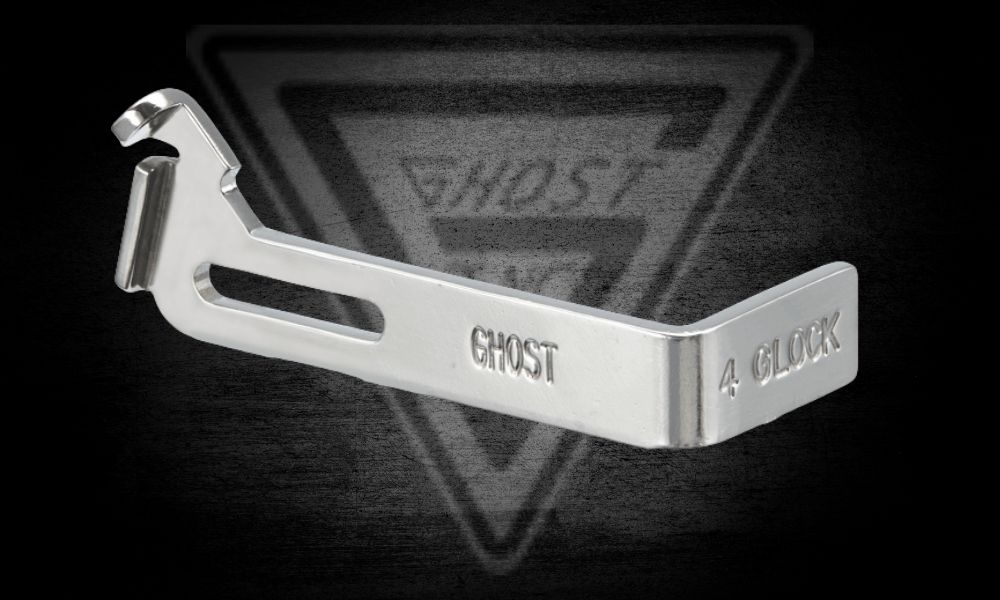
Glock pistols have become one of the most recognized and trusted handgun platforms in the world. Known for their reliability, durability, and simple design, Glocks are used by everyone from everyday shooters and concealed carriers to competitive competitors and professionals. While Glock pistols perform well right out of the box, one of the biggest advantages [...]
Best Glock Accessories for Home Defense
Glock pistols have earned a reputation for reliability, simplicity, and performance, making them a popular choice for personal protection and home defense. While a Glock comes ready to use right out of the box, the right accessories can help improve handling, visibility, and overall confidence when it matters most. Choosing upgrades for a home-defense Glock is [...]

How Ghost Turbo Maritime Spring Cups Help Protect Your Glock Performance
When reliability matters, your equipment needs to perform in every environment. Moisture, rain, and harsh conditions can impact firearm components over time, which is why Ghost Inc. designed the Turbo Maritime Spring Cups (TMC) to help improve performance where it counts. Built for shooters who demand dependable function, these spring cups provide a simple upgrade [...]
Simple Maintenance Tips for a Cleaner, Smoother Glock Trigger
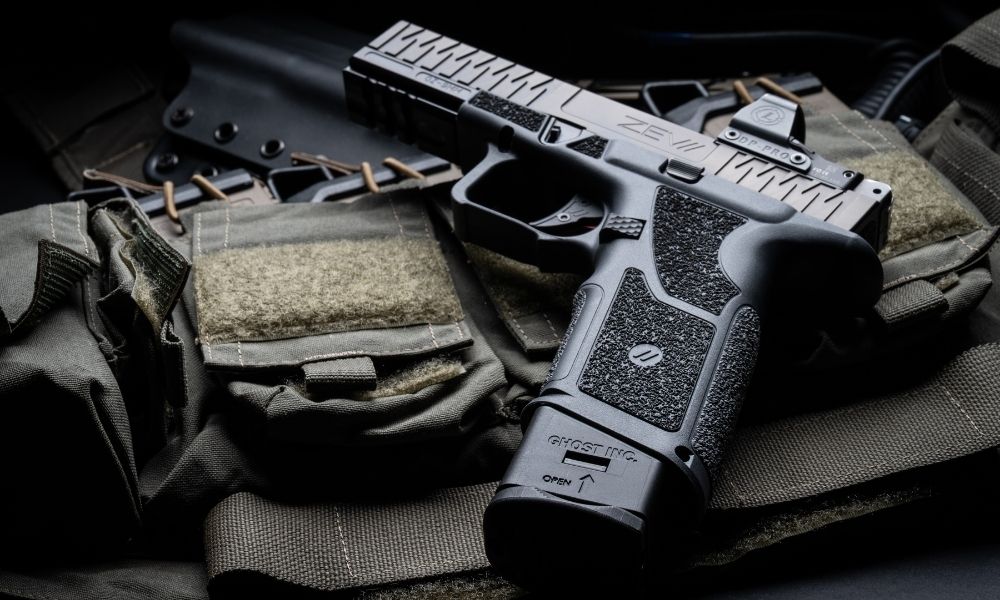
Glock pistols are built for durability and dependability, but even the most reliable firearms require regular care. Proper maintenance plays a major role in how smoothly your trigger operates and how consistently your Glock performs. With a few simple habits, you can keep your trigger feeling crisp while extending the life of your firearm. Start With [...]
How Many Parts Does a Glock Have? — Simplicity, Reliability, and Maintenance
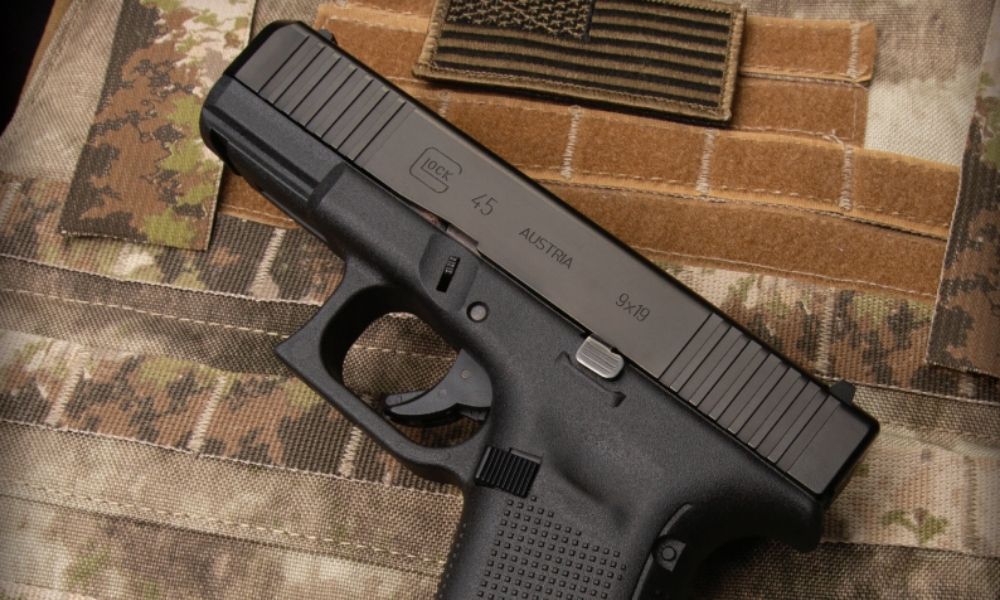
The short answer: about 34 parts (for a standard factory Glock) One of the most common questions about the Glock platform is simply, “How many parts are in a Glock?” While counts vary slightly depending on model and optional components, a typical factory-standard Glock disassembles to roughly 34 individual parts. That low number is deliberate — [...]
A Deep Dive: Can a Glock Get Wet? A Glock's Legendary Durability Explored
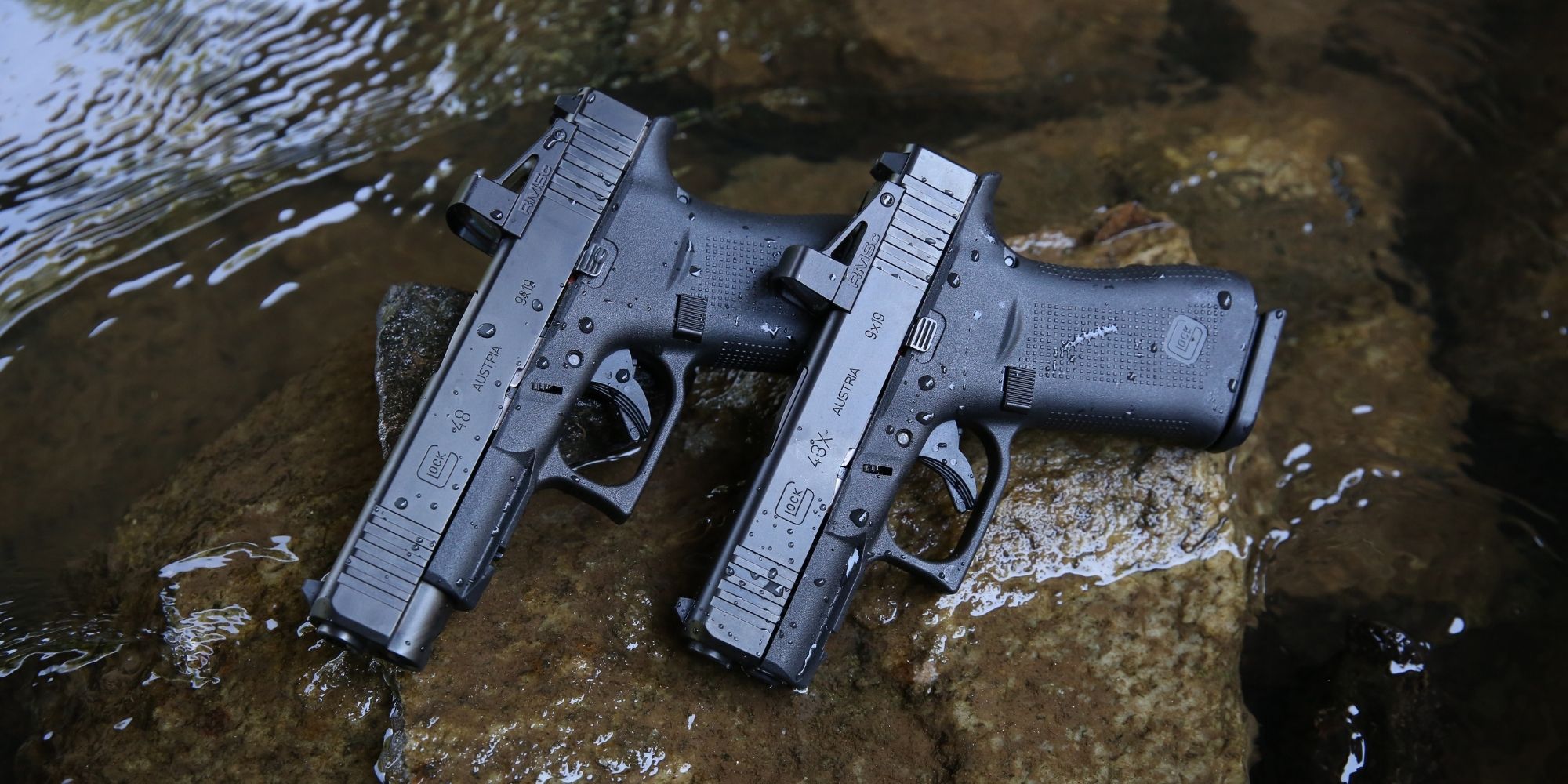
The internet is a wild place, and gun forums are a special corner of that. You'll find debates on everything from the best holster to the ethics of carrying a spare magazine. But one question that pops up with surprising frequency, often from new Glock owners or those considering one, is simple yet profound: "Can [...]
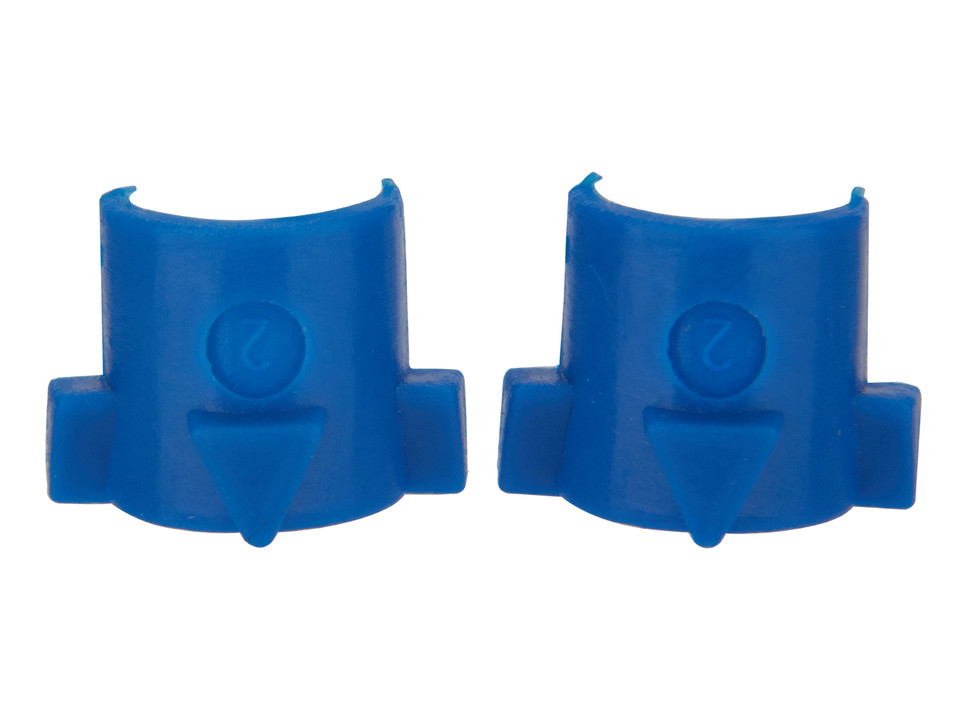
Conquer the Elements: The Ghost Turbo Maritime Spring Cup for Glocks
Glock pistols are known for their rugged reliability, but even the best firearms can be optimized for specific environments. For operators working in wet conditions, like military or law enforcement personnel, ensuring consistent performance is paramount. That's where the Ghost Turbo Maritime Spring Cup comes in. This isn't just a simple copy of the OEM [...]
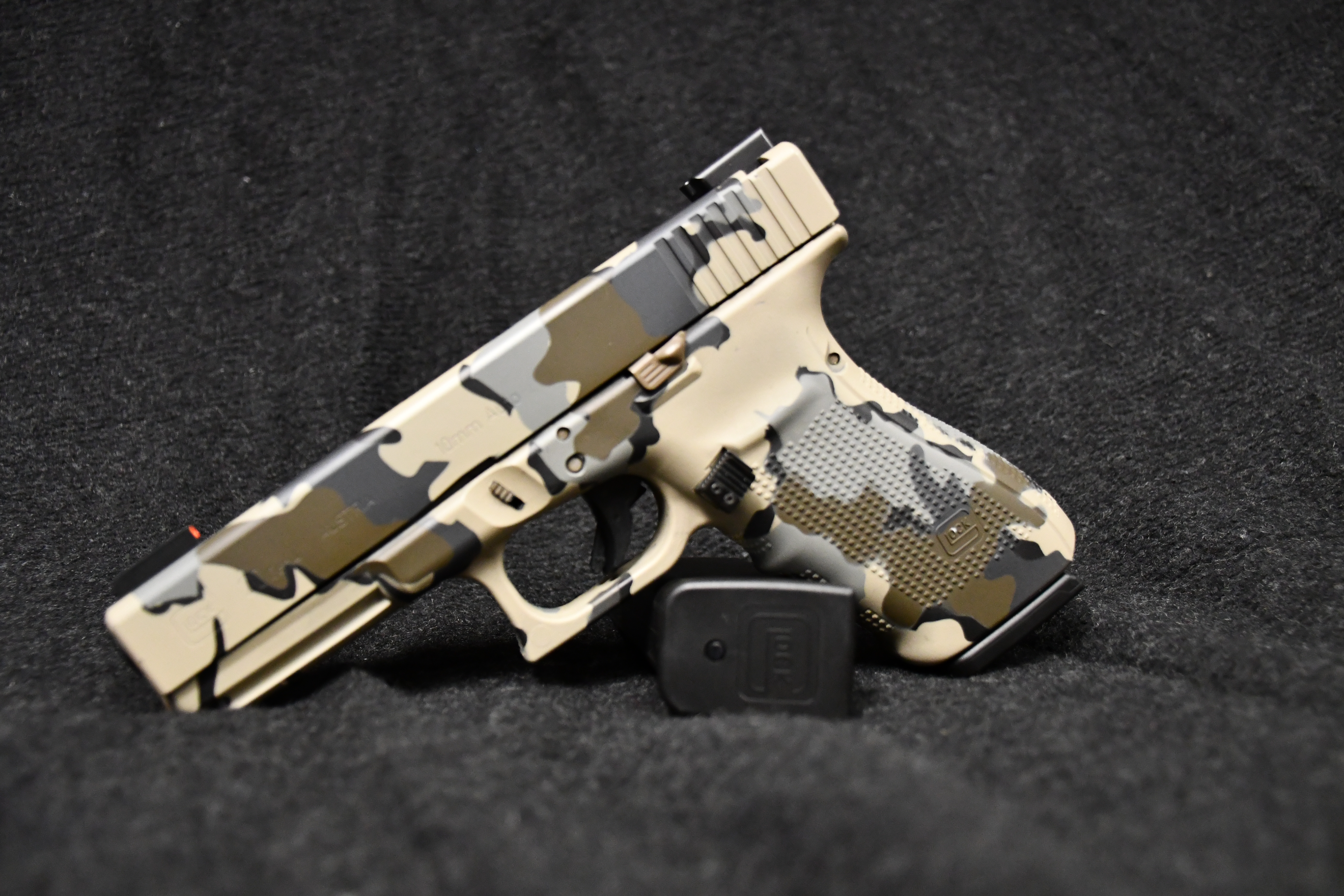
Glock Maintenance Tips: Keeping Your Trigger Running Smooth
Glocks are renowned for their reliability and simplicity. But even these workhorses need some TLC to keep them running at their best. Proper maintenance, especially of the trigger system, ensures smooth operation, enhances accuracy, and extends the life of your firearm. Cleaning: Disassembly: Field strip your Glock according to the manufacturer's instructions. Remember safety first - ensure [...]

How To Clean and Oil Your Glock
Glocks have a reputation for reliability and durability, which is ensured by taking care of your Glock by cleaning and oiling it as needed. Even though it is true that a Glock already has a more manageable maintenance schedule when compared to other firearms, you still need to take care of it. Learn more about [...]