 Loading... Please wait...

Recent Posts
- Home
- GHOST INC BLOG
- Glock Safety
GHOST INC BLOG
Is Carrying a Glock With a Chambered Round Safe?
Posted by on
One of the most common questions among concealed carriers and new handgun owners is whether it is safe to carry a Glock with a round in the chamber. The topic often sparks debate within the firearm community, especially among individuals new to striker-fired pistols.
The short answer is yes — carrying a Glock chambered can be safe when combined with proper firearm handling, quality equipment, and consistent training. Glock pistols are designed with multiple built-in safety mechanisms intended to help prevent accidental discharge during normal use.
However, no mechanical system replaces responsible gun ownership. Understanding how Glock pistols function and practicing safe carry habits are essential for anyone choosing to carry daily.
How Glock Safety Systems Work
Unlike some traditional handguns, Glock pistols do not use an external manual thumb safety. Instead, they rely on an internal system known as the Safe Action System. This design incorporates multiple passive safeties that automatically engage until the trigger is intentionally pressed.
The three main internal safety components include:
- Trigger safety
- Firing pin safety
- Drop safety
The trigger safety prevents the trigger from moving rearward unless the center lever is fully depressed. The firing pin safety blocks the striker from moving forward unless the trigger is pulled completely to the rear. The drop safety helps prevent the firearm from firing if it is dropped or struck.
These systems work together to ensure the pistol only fires when deliberate trigger pressure is applied.
Why Many Shooters Carry Chambered
Many experienced firearm owners and defensive instructors recommend carrying with a round chambered because it allows immediate access if a defensive situation occurs. During high-stress encounters, reaction time can be extremely limited.
Having to rack the slide before firing adds an additional step that may be difficult under pressure. In defensive situations, fine motor skills can deteriorate due to adrenaline and stress, making quick manipulations more challenging.
Chambered carry allows the firearm to be ready for use immediately after drawing. This is one reason why many law enforcement officers and professional firearm trainers carry chambered daily.
The Role of a Quality Holster
One of the most important parts of safe chambered carry is using a proper holster. A quality holster should completely cover the trigger guard and securely retain the firearm during movement.
Many negligent discharges involving striker-fired pistols occur because foreign objects, clothing, or poor holster design interfere with the trigger during reholstering.
When selecting a holster, shooters should look for:
- Complete trigger guard protection
- Rigid material construction
- Reliable retention
- Comfortable fit
- Consistent draw positioning
A poorly designed holster can create unnecessary risks regardless of the firearm being carried.
Training and Confidence Matter
For newer firearm owners, carrying with a chambered round may feel intimidating at first. This is a normal reaction and often becomes more comfortable with training and experience.
Professional instruction can help shooters better understand how their firearm functions and how to safely carry and draw from concealment. Dry-fire practice and repetition also help build confidence and familiarity.
Important training areas include:
- Safe draw techniques
- Proper trigger discipline
- Reholstering procedures
- Firearm retention
- Situational awareness
Many instructors recommend practicing unloaded concealed carry at home initially to become familiar with carrying the firearm before transitioning to loaded daily carry.
Trigger Discipline Is Critical
Regardless of the firearm platform, trigger discipline remains one of the most important firearm safety principles. The trigger should never be touched until the shooter has made the conscious decision to fire.
Many negligent discharges occur when fingers unintentionally contact the trigger during drawing or reholstering. Keeping the trigger finger indexed along the frame of the firearm helps reduce unnecessary risks.
Safe handling habits should remain consistent whether carrying at the range, during training, or throughout daily concealed carry.
Common Misunderstandings About Glock Pistols
Some people mistakenly believe Glock pistols are unsafe because they lack an external manual safety. In reality, Glock handguns are trusted worldwide by military units, law enforcement agencies, and millions of civilian firearm owners.
The absence of a thumb safety does not mean the firearm lacks safety features. Instead, Glock pistols rely on internal passive safeties and proper user handling.
Another misconception is that carrying without a chambered round is always safer. While each individual must choose their own comfort level, carrying unchambered may slow defensive response times in emergencies.
Ultimately, safety comes from training, awareness, and responsible firearm handling rather than relying solely on mechanical devices.
Building Safe Carry Habits
Developing consistent carry routines can help improve both safety and confidence. Responsible firearm owners should regularly inspect their equipment, practice safe handling, and continue training over time.
Good habits include:
- Using quality holsters
- Maintaining trigger discipline
- Inspecting firearms regularly
- Practicing safe reholstering
- Seeking professional training
Carrying a firearm responsibly requires both mechanical understanding and mental discipline.
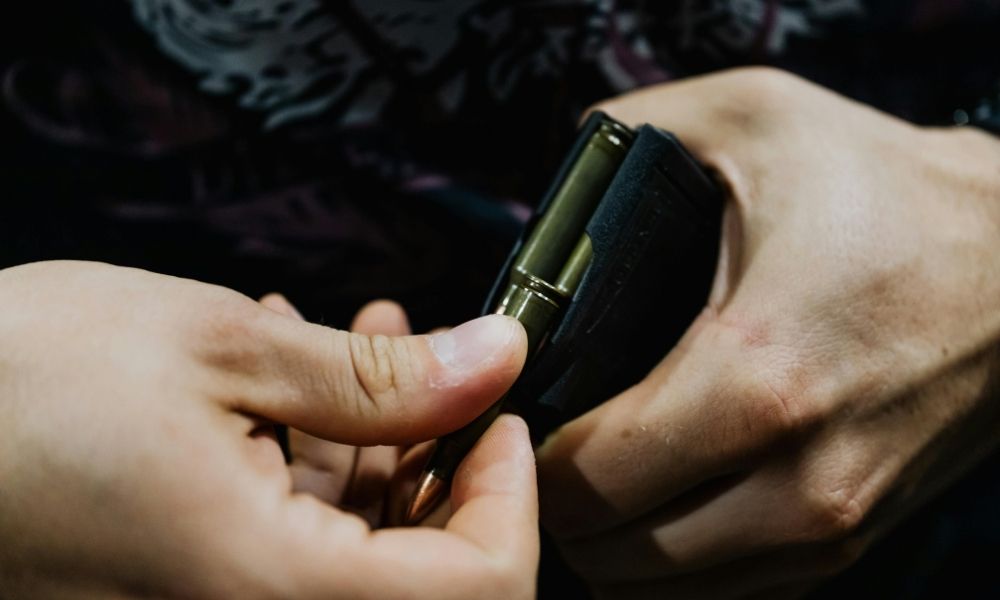
Essential Gun Safety Principles You Should Never Ignore
Handling firearms responsibly begins with a clear understanding of safety fundamentals that apply every time you pick up a gun. Whether you're experienced or new to firearms, following these non‑negotiable safety habits dramatically reduces the risk of accidents and protects you and those around you. At Ghost Inc., we believe safety is just as important [...]
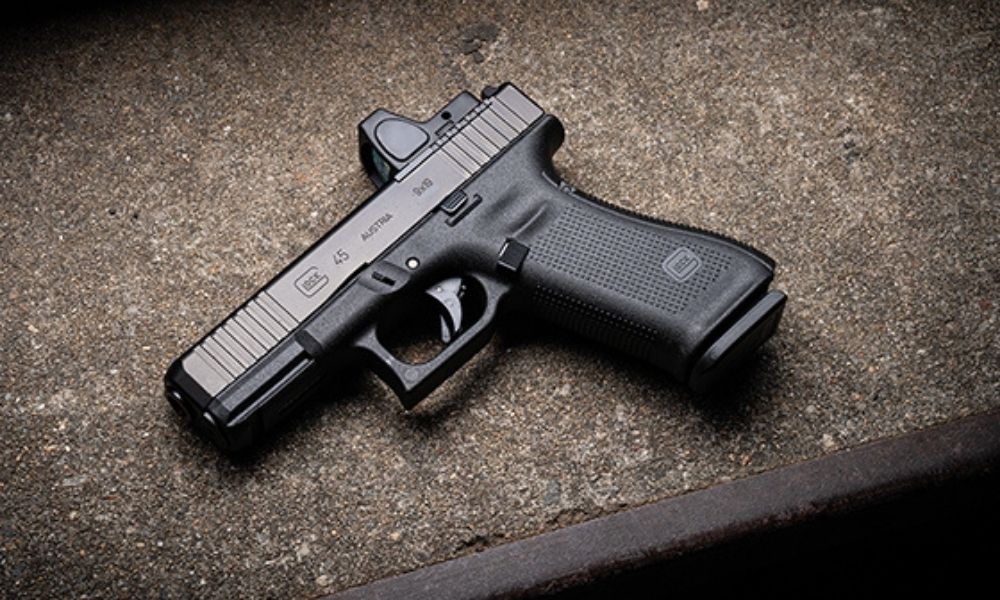
Do Glocks Have A Safety? Glock Safe Action® System — How It Works and How It Compares to Manual Safeties
What is the Safe Action® system? Glock’s Safe Action® is a passive, fully automatic three-part mechanical safety system built into the gun’s fire control—designed to provide a consistent trigger pull and to keep the pistol safe when you’re not deliberately firing. All three safeties operate independently and re-engage automatically when the trigger is released. This design [...]
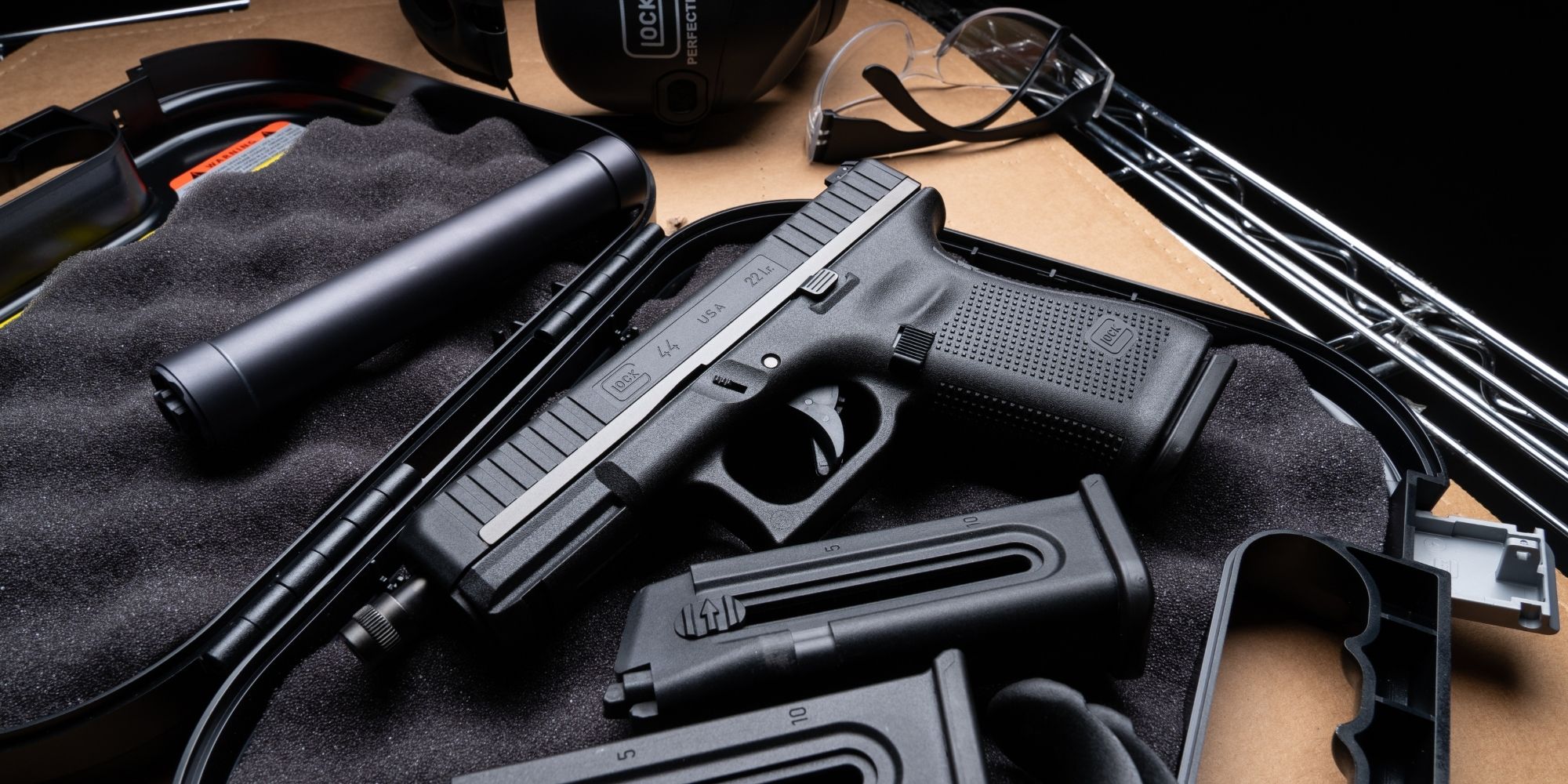
Are Glocks Safe to Carry Chambered? A Ghost Inc. Analysis
The decision to carry a firearm for self-defense is a serious one, and it comes with a lot of questions. For many new and even experienced gun owners, one of the most pressing concerns is: Is it safe to carry a pistol with a round in the chamber? This question becomes even more pointed when [...]

Glock Trigger Housing & Its Purpose
The Glock trigger housing is one of the most important Glock parts that holds all the parts of the trigger system inside the Glock. Many small pieces make up the trigger system, and the housing keeps everything compact. Different models of the Glock have differences in the trigger housing, but most work under the same method. [...]

How Does a Glock Work?
Among the various firearms that are available on the market today, Glock remains one of the most popular. Now Among the various firearms available on the market today, Glock remains one of the most popular. One of the older brands of firearms in the market now, Glock has maintained its reputation for durability and reliability. When [...]
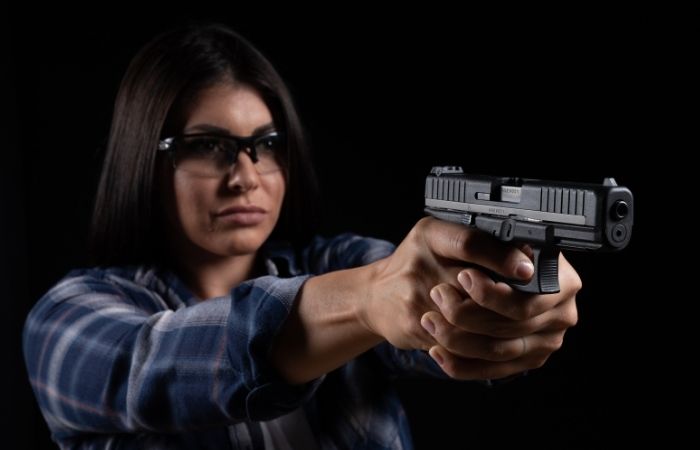
What Is Glock Safe Action System?
When it comes to firearms, including Glock handguns, it is always important to put safety first. Glock stays ahead of the pack with this. One of the most crucial safety features of Glock handguns is called the Glock Safe Action System. The design of the Glock Safe Action System provides a consistent trigger pull weight [...]

What Makes a Glock a Glock?
When people are looking for a personal firearm, there are a lot of options to choose from; however, one of the most popular choices among gun owners everywhere is a Glock. The name and the brand carry with them the reputation of quality, reliability, accuracy, and power. This has contributed to Glock's rise in popularity. [...]

Are Glocks Safe?
What makes a Glock pistol safe is that its safety system is carefully designed to allow it to fire every time you need it to fire, yet prevent accidental discharge. If you were to pull out your gun to defend yourself from a threat and pull the trigger only to find that it won’t fire because you forgot [...]

Do Glocks have a Safety?
Owning a firearm comes with major responsibility and this is just as true for Glock pistols as it is for any other weapon. The most important responsibility of every gun owner is to make sure that they, and those around them, are safe from harm. Guns obviously have the potential to do tremendous harm to [...]